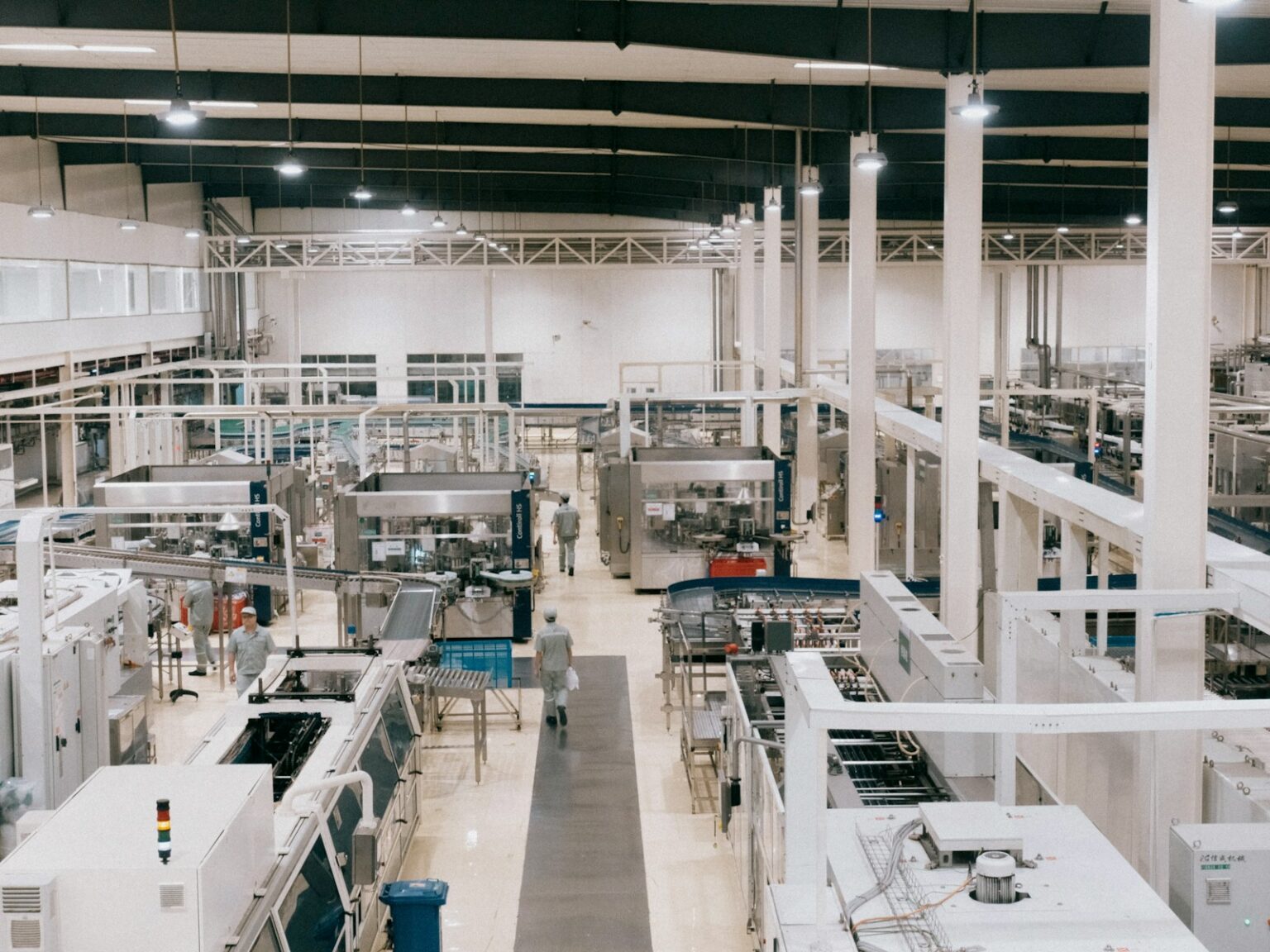
Many factory managers overlook just how much downtime hurts their business. When machines stop, it is easy to see the cost of workers waiting and late shipments. But downtime does more than cause these obvious problems. It can also wear out equipment faster, hurt product quality, and damage relationships with customers.
Even a short stop can lead to extra work hours, rushed jobs, and too much or too little stock in storage. These problems can raise expenses quickly and put more stress on factories that already have to watch their spending closely.
Manufacturing downtime creates additional costs beyond production losses. These include increased equipment wear, repair requirements, and customer dissatisfaction from late orders. Factory managers who identify and address these hidden issues often see better financial performance and smoother operations. Using reliable equipment and scheduled maintenance helps prevent unexpected disruptions.
The True Financial Impact of Manufacturing Downtime
Manufacturing downtime can lead to significant financial losses for companies. The direct costs include lost production output, wasted materials, and labour costs for idle workers.
What many factory managers fail to account for are the indirect costs. These include missed delivery deadlines, customer dissatisfaction, and long-term damage to business reputation. Unplanned downtime can also have a considerable impact on annual revenue and overall business performance.
Equipment mobility plays an important part in these costs. The ability to move machinery efficiently for maintenance directly affects how quickly production can resume. Many facilities could benefit from a range of stainless steel castors at Coldene suited for industrial environments where moving equipment efficiently supports rapid downtime recovery.
Equipment Mobility Issues That Trigger Production Delays
Mobility issues can contribute to unplanned downtime, especially in harsh manufacturing environments. Factors such as wheel corrosion, castor seizure, and bearing failure can disrupt production schedules and increase maintenance workloads. Industrial settings subject mobility components to harsh conditions through exposure to chemicals, moisture, and temperature extremes.
Facilities with frequent washdown or chemical exposure often face repeated castor and wheel failures. When stainless steel castors replace standard materials, facilities often notice less unplanned downtime and longer maintenance intervals. Corrosion-resistant castors are generally considered to last longer in food processing and pharmaceutical environments.
The Corrosion Factor in High-Moisture Environments
Moisture can speed up equipment deterioration in food processing, pharmaceutical, and chemical manufacturing facilities. Standard components in high-moisture environments may need replacement more frequently than corrosion-resistant alternatives, which can lead to additional downtime and maintenance costs.
The lifecycle cost comparison between standard and stainless steel mobility components can show notable differences. Stainless steel castors resist corrosion in spaces where frequent washing, sanitising solutions, and moisture are present. Their smooth, non-porous surfaces help reduce bacterial build-up, making them suitable for facilities with strict hygiene demands.
Preventative Maintenance vs. Reactive Repairs
The cost difference between preventative maintenance programmes and emergency repairs can be significant. Emergency repairs often come with higher labour rates, expedited parts shipping, and extended downtime that unplanned stoppages create. This multiplier effect may quickly increase operational costs and disrupt production schedules.
Scheduling maintenance for critical production equipment comes with major challenges. Production demands often lead to postponed maintenance, creating a backlog of potential failure points. Effective programmes must balance production needs and equipment care to avoid costly breakdowns.
Mobility components should be part of scheduled maintenance routines. Regular inspection of castors, wheels, and bearings can spot possible failures before they cause production stoppages. Simple tasks like lubrication, tightening fasteners, and cleaning debris from stainless caster wheels can help extend component life.
Selecting Equipment Components for Maintenance Reduction
When evaluating components based on maintenance requirements, several criteria matter. Self-lubricating properties reduce the need for regular maintenance, while material durability and appropriate load capacity help ensure longer service life. Material selection is especially important in manufacturing environments that demand resistance to chemicals, high or low temperatures, or require strict hygiene controls.
Chemical-resistant options are most suitable for processing plants, while temperature-resilient materials perform well in bakeries and freezer conditions. Food and pharmaceutical production facilities rely on easy-to-clean, non-porous surfaces to meet hygiene targets. Stainless steel castors are often specified for these settings because their material properties address these requirements.
Maintenance frequency can vary greatly between castor types. Standard zinc-plated castors in wash-down environments might require frequent maintenance and replacement. In contrast, high-quality stainless steel castors may need only periodic checks and can last for years, reducing the risk of unplanned downtime and supporting smoother operations.
Calculating Your Factory’s True Downtime Costs
Estimating the real costs of downtime involves more than adding up lost output. The process often begins with the hourly value generated by production, multiplying the number of units produced each hour with the profit received from each. During any downtime, it is necessary to account for direct labour expenses that continue as staff remain on the clock.
Many cost factors are often missed. Overtime payments to catch up on production targets can increase labour costs. Expedited shipping to meet customer deadlines adds major expense. Quality issues from rushed restarts may lead to returns or rework. Customer compensation for late deliveries can further cut into margins.
Tracking downtime causes can require both digital tools and manual logging. Modern facilities use production monitoring systems that automatically record stoppages and prompt operators to categorise reasons. Even without advanced technology, a simple spreadsheet tracking duration, cause, and impact can reveal patterns.
Downtime incidents and their associated costs can vary widely by industry and facility. Some industries may experience frequent unplanned downtime, leading to significant financial impacts. Understanding the specific patterns and costs within your own operation is key to effective management.
Improvement actions that address the most costly causes will have the biggest effect. Rank downtime incidents by total cost rather than frequency. A single eight-hour stoppage might cost more than twenty 15-minute interruptions. This approach helps ensure resources focus on the costliest profit drains first.