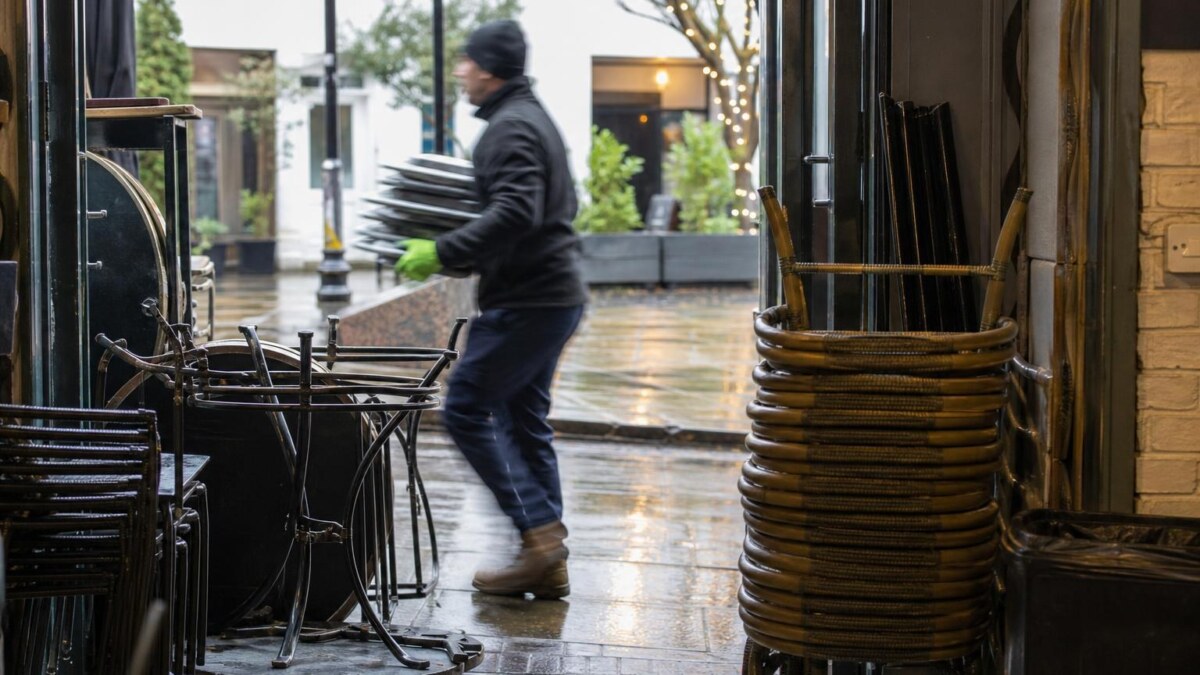
Walk down Kingston’s high street in late October and you’ll catch the changeover mid-swing. Terrace furniture vanishes overnight and fairy lights start going up, while the menus quietly drop the summer spritzes for mulled wine and mince pies. It all looks smooth enough from the pavement. Behind the scenes, though, it’s chaos.
Most of Kingston’s pubs, restaurants and cafes operate out of older buildings with barely any back-of-house space to speak of. When autumn hits, every one of them has to strip down their outdoor setup and simultaneously make room for Christmas stock, decorations and event gear. That double squeeze lands right when these businesses can least afford distractions, and it costs them real money in lost floor space and wasted staff hours. Here’s what actually goes on when an entire high street tries to swap seasons in the space of a few weeks.
December Trade Is Too Valuable to Get Wrong
UKHospitality has long called December the most important trading month of the year for the sector, and for good reason. Plenty of venues pull in more during the festive window than they will across two or three quieter months combined, which means every table and every square foot of usable floor space counts.
Kingston’s position as a popular Christmas destination cranks that pressure up further. The Christmas market pulls crowds into town and office parties fill the restaurants, while independent shops rely on gifting season sales to carry them through the lean start to the new year. Losing floor space to stacked parasol bases and folded-up awnings during those weeks directly costs money.
The Changeover No One Sees
Around October, the crunch begins. Kingston’s pavement licences already require furniture to come off the highway and be stored away at the end of each trading day, and once the worst of the weather arrives, hauling it all back out every morning stops making sense. And at almost exactly the same time, Christmas decorations, event kit, extra glassware and seasonal stock all need to come out of wherever they’ve been sitting since last January.
Think about what a decent-sized terrace actually involves. Dozens of chairs, multiple tables, parasol stands weighing around 25kg each, plus patio heaters. That’s a lot of bulky stuff, and it all needs a home. Newer purpose-built venues tend to have loading bays or proper storerooms for exactly this sort of thing, but most of Kingston’s older buildings don’t even have corridors wide enough to wheel a keg through comfortably.
You can’t just shove it all into a fire escape or service passage, either. Fire safety rules require escape routes to be kept clear at all times, and the fire brigade does inspect. Blocking an exit with stacked terrace chairs is a compliance issue, full stop, and it can lead to enforcement action or even a venue being shut down entirely.
Where the Kit Actually Goes
Some operators try to absorb the overflow internally by pushing furniture into function rooms or tucking heaters into kitchen corners. That holds up fine until the function room gets booked for a Christmas party, or the kitchen team desperately needs the space back during their busiest service period of the year.
Offsite storage has become the more common fix, and the options have grown more flexible recently. Operators looking for storage in Kingston can now work around hospitality hours, with facilities on London Road open seven days a week, after-hours access available, and collection services for those without a van. A pub can clear its terrace furniture out on a Monday morning and have it picked up without pulling a staff member off the floor for half the day.
The alternative is one most operators have already tried at least once: cramming everything into whatever gap they can find. That approach shows its true cost in spring, when table tops come back scratched, parasol frames are bent out of shape, cushion covers have gone mouldy, and heaters won’t fire up properly because they spent five months jammed behind a chest freezer.
The Staff Hours Add Up Quickly
Beyond the physical space issue, there’s a cost that never appears on any invoice. Moving heavy outdoor furniture takes serious time. A venue with 30 or 40 covers outside might need two or three staff members for most of a working day just to strip everything down and pack it away properly. Then the whole process repeats in reverse come March or April.
Add both changeovers together and you’re looking at several hundred pounds in wages spent on work that brings in absolutely no revenue. For independent operators already running on tight margins, those are hours that could have gone towards actual service or prep for the weeks ahead.
What This Means for Kingston’s High Street Next
Kingston’s festive season will keep pulling crowds, and its hospitality businesses will keep managing the seasonal switch because there’s no option not to. But behind every dressed-up pub window and every packed Christmas booking sits a logistical puzzle that almost no customer thinks about. The operators who clear their kit out early and free up as much trading space as possible will get the most out of December, and for a high street as dependent on independents as Kingston’s, that has real consequences.
The seasonal squeeze won’t make anyone’s Instagram feed. But it’s one of those unglamorous background problems that can turn a good trading month into a great one, or quietly prevent it from ever getting there.