For years, the conversation around sustainability has focused heavily on what individuals should be doing differently.
Use less. Buy less. Recycle more. Avoid plastic. Shop sustainably. Reduce waste.
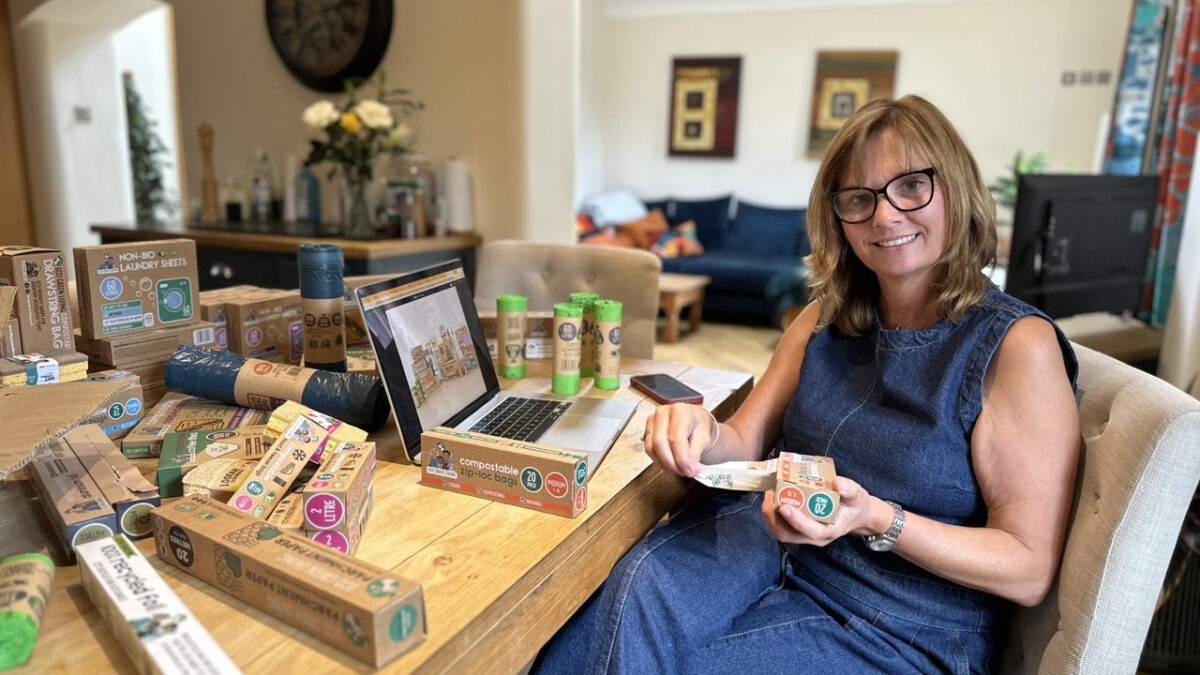
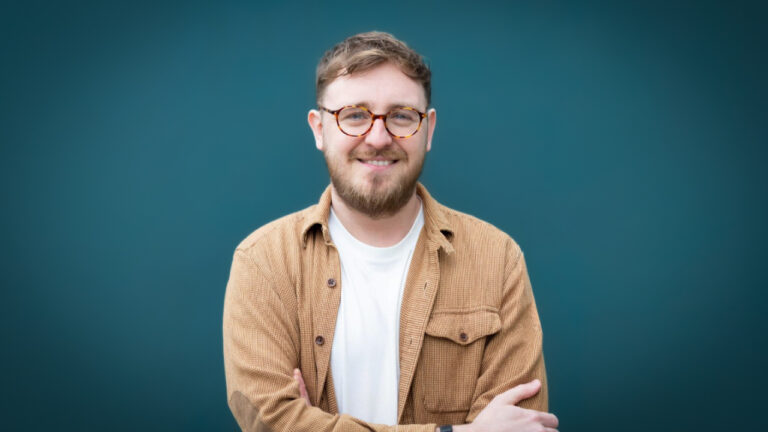
All sensible advice. But Julie Cook, founder of Eco Green Living, believes there is a problem with expecting consumers to completely overhaul their lives in pursuit of environmental perfection.
For Julie, the future of sustainable living isn’t about being perfect. It’s about making better choices easier – and she believes businesses have a significant role to play in making that happen.
“People are busy. They have families, businesses, jobs and bills to think about,” says Julie. “If we make sustainable living complicated, expensive or inconvenient, we’re immediately creating another barrier.
“I don’t believe sustainability should be about making people feel guilty for everything they’re doing wrong. We need to give people realistic alternatives that allow them to make better choices as part of their everyday lives.”
The problem with perfection
Sustainability can sometimes feel overwhelming.
From packaging and food waste to energy consumption, transport and the products we bring into our homes, almost every purchasing decision can now come with an environmental consideration attached.
While greater awareness is undoubtedly positive, Julie believes an all-or-nothing mentality risks alienating the very people businesses need to bring with them.
“If somebody thinks being sustainable means completely changing the way they live, spending significantly more money or getting everything right all of the time, they’re far more likely to decide it simply isn’t achievable,” she explains.
“I’d much rather see somebody make one change they can stick to than attempt ten changes that become overwhelming and are abandoned a month later.”
It is this philosophy that sits behind Eco Green Living, the sustainable products business Julie has built around alternatives to frequently used household and commercial products.
Rather than asking consumers to give up everyday conveniences entirely, the company focuses on replacing familiar products with alternatives designed to reduce reliance on conventional plastics and other less sustainable materials.
The principle is simple: keep the convenience, change the choice.
Small changes become big numbers
One compostable waste bag or alternative kitchen product might appear insignificant when viewed in isolation.
But consumer behaviour rarely happens in isolation.
Products such as bin bags, food wrapping and baking paper are used repeatedly in millions of homes and businesses. That means seemingly small changes have the potential to become much more significant when adopted at scale.
Julie believes this is where businesses have an opportunity to rethink how sustainability is presented.
Instead of relying solely on customers actively seeking out specialist eco products, greener alternatives need to become increasingly accessible, affordable and straightforward.
“The biggest opportunity is making the better option feel normal,” says Julie.
“When somebody reaches for something they buy every week, the sustainable alternative shouldn’t require lots of research or feel like a compromise. It needs to work, it needs to be accessible and it needs to fit into their life.”
Sustainability still has to make commercial sense
There is another reality sustainable businesses cannot ignore: customers still expect value.
Environmental credentials alone will not necessarily persuade someone to repeatedly purchase a product that is considerably more expensive, difficult to find or doesn’t perform as expected.
That presents an important challenge for businesses operating within the growing green economy.
Sustainability cannot exist separately from customer experience.
Businesses need to consider performance, affordability, accessibility and convenience alongside environmental impact.
For Julie, that isn’t a contradiction. It is fundamental to creating lasting change.
“If we want sustainable products to move into the mainstream, they have to compete in the mainstream,” she says.
“We cannot expect people to buy something purely because they’re told it’s better for the planet. It still has to solve their problem.”
Businesses can remove the barriers
The responsibility for environmental change cannot sit entirely with either consumers or businesses.
But companies have considerable power over the choices customers are presented with in the first place.
Product design, materials, packaging, pricing and availability can all influence whether choosing a more sustainable option feels effortless or difficult.
It means businesses can become part of the solution without demanding perfection from their customers.
Julie believes the same principle can apply to businesses beginning their own sustainability journey.
Companies don’t necessarily need to transform every element of their operations overnight. Examining frequently purchased products, unnecessary waste and everyday processes can provide achievable starting points.
One change can lead to another.
And another.
Eventually, behaviours that once required conscious effort simply become normal.
Progress over perfection
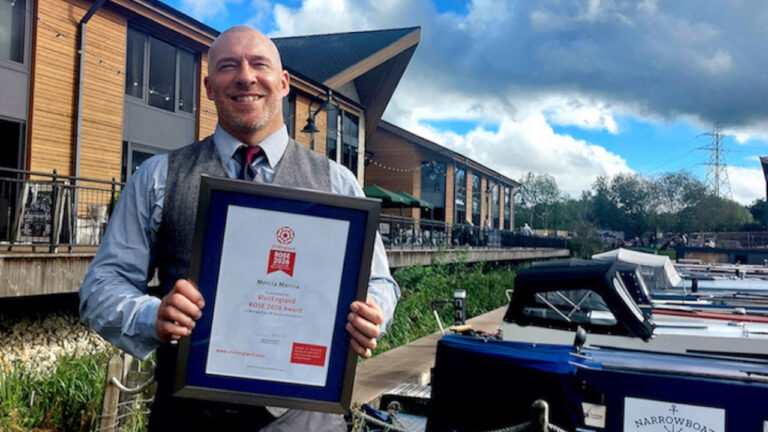
Julie’s work in sustainability has also seen her recognised as a finalist in the Sustainable Business category of the 2026 Enterprise Vision Awards.
But despite the recognition, her message remains grounded in something remarkably simple: sustainability has to work in the real world.
The environmental challenges facing society won’t be solved by a handful of people achieving a perfectly sustainable lifestyle.
Real change requires participation on a much bigger scale.
That means creating choices millions of ordinary consumers and businesses are genuinely willing and able to make.
“We’re all going to get things wrong,” Julie says. “The important thing is that we keep looking for opportunities to do things better.
“If businesses can remove some of the barriers and make those choices easier, suddenly sustainability stops feeling like this enormous lifestyle change.
“It simply becomes the way we do things.”
And perhaps that is where some of the greatest opportunities for sustainable businesses now lie.
Not in demanding perfection.
But in making progress easier.