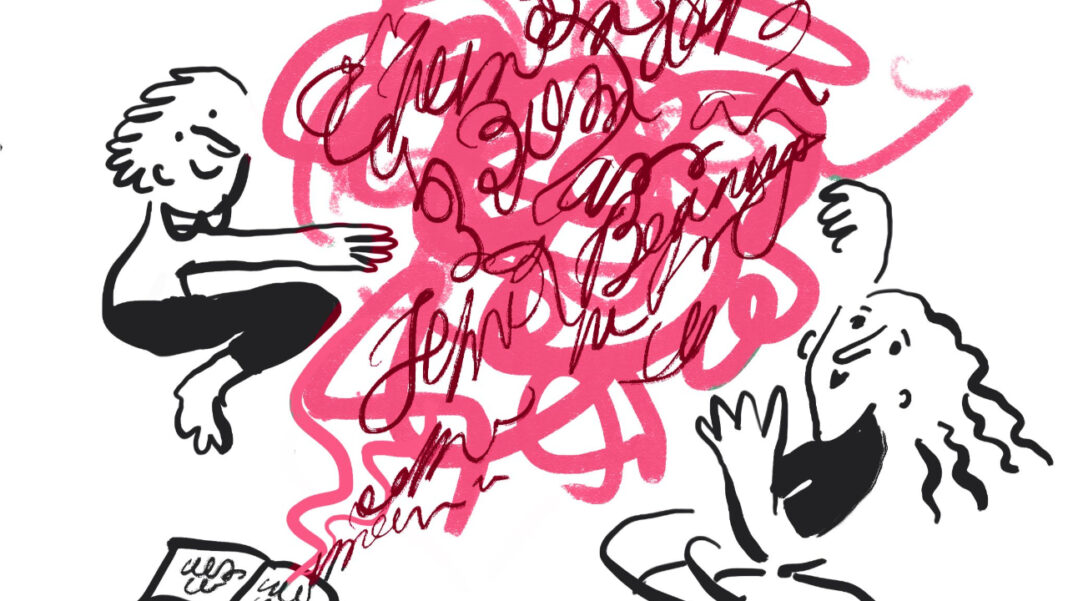
There are several symptoms of depression to look out for, including the following: –
- Low mood
- Anxiety
- Difficulty of getting out of bed
- Lack of motivation
- Lack of engagement
- Lack of satisfaction
Are these problems familiar to you or your staff? Companies have adopted wellbeing policies, improving the working environment for their staff, but have they addressed the issues, primarily the stresses and traumas of the COVID lockdown, which have created the continuing challenges of wellbeing in business?
As reporting indicates well-being levels have not risen, despite steps taken by employers, the concern must be that employees have not processed the difficulties endured during lockdown when deprived of support from colleagues, the routine of going to work and the small but important interactions during the working day; employees confined remotely had to work through issues without their familiar means of support. And if the above are among the symptoms being shown by employees, the likelihood is they are suffering from depression. If so, there are two options. One is counselling which can be lengthy, expensive, and much more effective in an individual setting.
Then there is engagement with poetry, renowned for its therapeutic benefits. It is also inexpensive, accessible, time efficient and known to create the skills required to maintain long-term wellbeing – resilience, empathy, perspective, communication, and connection. Camena, a collective of artists specialising in using poetry to address business challenges, is well versed in poetry as a tool to promote wellbeing specifically in a workplace setting. Their team of experienced teaching artists uses participatory methods to deliver creative and impactful solutions. Engaging with poetry can help employees strengthen intelligence systems, which can be particularly effective in addressing the depression crisis in the workplace. By improving cognitive and emotional processing, poetry fosters resilience, emotional regulation, and deeper connections with colleagues, vital in combating stress and mental health challenges. Integrating poetry into the workplace not only promotes individual wellbeing but also nurtures a supportive environment where employees can thrive. This, in turn, cultivates more resilient and collaborative teams, reducing the impact of depression and enhancing workplace culture.
While the idea of poetry therapy is fairly new, poetry being used for therapy is not. Kamilah Stevenson, a health coach, counsellor, and pastor, explained that “the historical intersection of poetry and mental health runs deep.” (Sarah Osman, Bezzy Depression, 2023).
Why poetry?
According to Marisha Mathis, a licensed clinical social worker, poetry therapy is when “poetry is read, shared, or written to help clients better identify, understand, and express their emotions.” They explained that poetry allowed them to express their thoughts in a way that prose could not. Poetry did not have to make logical sense, so it was an easier way to let out emotion.
Whilst many companies have implemented wellbeing policies, the mental health effects of the COVID lockdown suggest a need for a more creative approach to employee support. Poetry offers a powerful and accessible route. Through its therapeutic benefits, poetry helps individuals process emotions, build resilience, and foster connections, essential factors for a healthy culture in the workplace. By integrating poetry, companies can promote individual wellbeing and strengthen team dynamics, creating a supportive environment where employees can thrive amidst the challenges of modern work life.