Industrial lamination, specifically polyurethane lamination, has been in use across a range of industries since the 20th century. But what is lamination and why does it matter to your business?
Well, we’re here to answer exactly those questions, plus a few others, including what is it used for, what are the benefits and how to choose the right contract lamination services? Stick with us to find out.
What is Industrial Lamination?
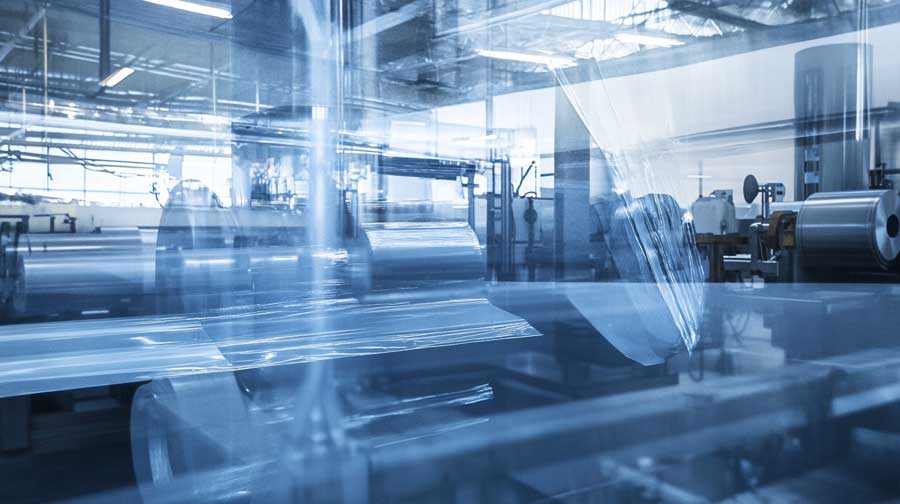
So, let’s start with the big question: what is industrial lamination? In essence, it’s the process of creating multi-layered materials by bonding together sheets of separate materials. It’s commonly used to bind together layers of polyurethane foam as well as incorporating other substances such as fabrics.
Lamination typically involves the use of a heated adhesive or the application of heat directly to the surface of the polyurethane to melt it. After this, it is passed through pressure rollers to bind the layers together.
Common uses of polyurethane lamination include sports equipment, pool covers, flooring and vehicle interiors.
What is it Used For?
Industrial lamination creates a fantastically versatile range of products that are used across a selection of industries:
- Packaging: Laminated foam has high impact resistance, making it ideal for protecting products in transit.
- Automotive: Being soft and comfortable makes it perfect for vehicle interiors, from trim to seats.
- Construction: Foam is commonly used as underlay for carpets and laminate flooring as well as sound and thermal insulation.
- Furniture:For the same reason that polyurethane foam is used in vehicle interiors, it’s also favoured for furniture making.
- Sports and leisure: Many sports and leisure activities require protective equipment, for which foam is ideal.
How Does Industrial Lamination Work?
While there are various methods for carrying out industrial lamination, the process remains largely similar:
- Preparing the base material, including cutting it to size and removing potential contaminants.
- Applying adhesive, such as Polyurethane Reactive (PUR) hot melt, or heat or infrared to make the material surface ready for bonding.
- Compressing the prepared layers to ensure strong, even adhesion.
- Finally, the finished product is trimmed and finished to the required specification.
Types of Polyurethane Lamination
- Flame lamination – This process involves heating the surface of the polyurethane directly using a controlled flame, creating a layer of sticky, molten material.
- Infrared lamination – Much like flame lamination, this practice involves melting the top layer of material, only in this case infrared radiation is used rather than flame.
- PUR Hot Melt lamination – This process differs in that it uses a separate adhesive which is heated and applied to the surface of the foam, before it is compressed between layers, reacting with the air to form a strong bond.
Benefits of Industrial Lamination
So, what are the benefits of polyurethane lamination that make it so popular?
- Improved durability – Lamination produces a highly dependable bond between materials, ensuring products remain intact for years to come.
- Enhanced aesthetic appeal –Enjoy a clean, tidy final appearance that will hold its aesthetic appeal.
- Resistance to environmental factors – Lamination forms bonds that are resistant to UV, moisture and even chemicals, unlike traditional adhesives.
- Customisable properties – The lamination process can be adjusted to offer different properties depending on the needs of the final product.
How Industrial Lamination Can Help Your Business
This is the bit you’ve been waiting for – how can industrial lamination benefit your business? Well, it offers a range of benefits that businesses across a range of industries are already tapping into:
- Cost efficiency – Strong, durable adhesion between layers means laminated products last much longer, meaning fewer replacements and considerable cost savings over time.
- Improved brand image – With a cleaner finish and superior lifespan, your business becomes associated with quality and durability.
- Increased customer satisfaction – Keep customers happy with products that don’t let them down.
- Compliance with industry standards – Thanks to their high quality and low environmental impact, laminated products can even help you meet tightening industry standards.
- Versatility for customisation –Adapt your products however you please, giving you greater control over the finished item.
How to Choose the Right Contract Lamination Service
Curious to learn more or ready to embrace the benefits of industrial lamination? Perfect! Now all you need is a reliable contract lamination provider to help you on your way, but how do you pick the right one? There are a few things to consider that can help you narrow down the options:
- Material compatibility –Does the potential provider offer the materials you need for your project?
- Specific application requirements – Can they adapt their methods and materials to suit your specific application requirements?
- Scale of production – Can they scale their contract lamination services to meet the size of order you need to place?
- Cost and turnaround time – Are they able to meet your cost and turnaround requirements?
Choosing the right provider is vital to ensure that the end products meet your requirements, and don’t result in wasted time and money.
Elevate Your Business’ Products with Industrial Lamination
Hopefully, by this point you understand not just what industrial lamination is, but also how it can benefit your business, allowing you to make higher quality products and even improve cost efficiencies and reduce environmental impact.
Getting started is easy, it’s just a matter of finding the right contract lamination provider to suit your requirements. Make sure to use the handy guide above to pin down the best one.