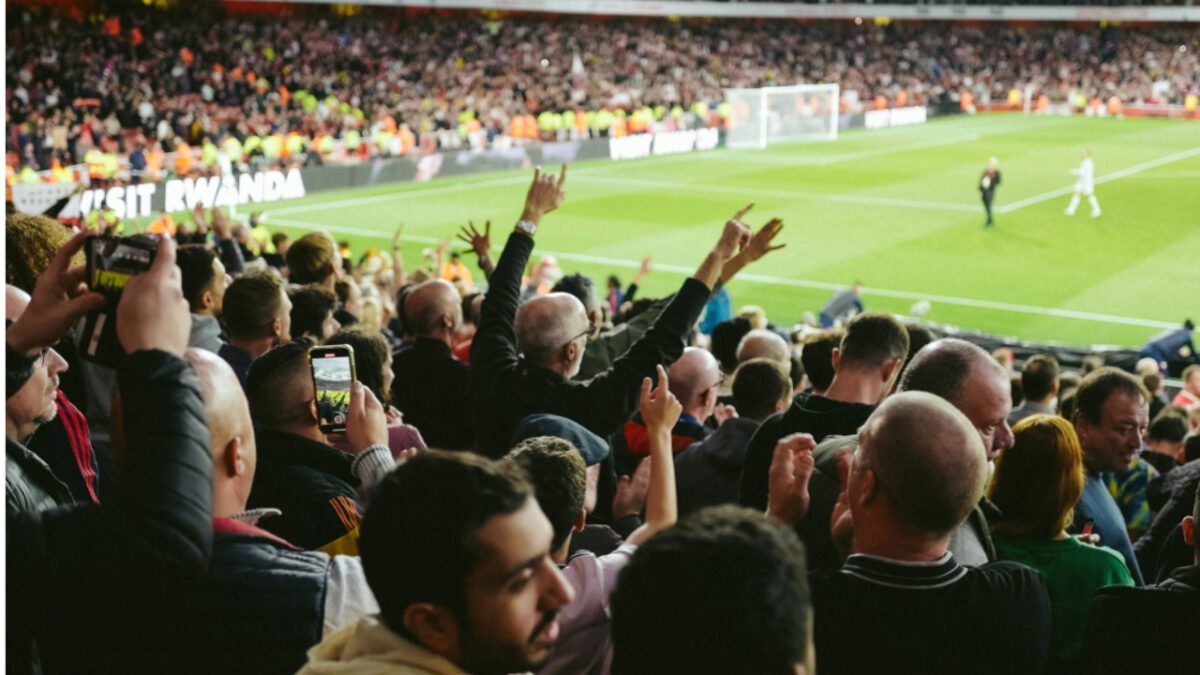
The FIFA World Cup™ is a global celebration that will also be a multibillion-pound test of workforce agility. New UKG research of 8,000 employees across Australia, Canada, France, Germany, Mexico, the Netherlands, the U.K., and the U.S. estimates the tournament could drive at least £12.6 billion GBP in lost productivity, including £681 million in the U.K. alone.
Providing one of the most in-depth views into the World Cup’s global impact on workplaces to date, the survey shows individual contributors and frontline managers plan to skip work, clock in hungover, follow matches while on the clock, and push for levels of flexibility many employers may not be prepared to support.
“The World Cup is a high-profile example of a challenge employers face every day: Work changes by the hour, especially in frontline-heavy environments, and static planning can quickly expose an execution gap,” said Russell Howe, Group Vice President, EMEA at UKG. “The World Cup is not just a global cultural moment people want to experience. It is a workplace planning challenge that will put pressure on performance and productivity, staffing coverage, communication, morale, and even retention if handled poorly.”
Analysis by UKG found significant hidden lost productivity costs caused by absenteeism and presenteeism during the World Cup, including:
Australia: £489 million
Canada: £301 million
France: £556 million
Germany: £991 million
Mexico: £274 million
Netherlands: £288 million
U.K.: £681 million
U.S.: £8.7 billion
Hangovers and Secret Streaming to Disrupt Workplace
According to the survey, 37% of employees globally plan to adjust their work schedule because of the tournament, and more than a quarter (27%) are likely to miss work by coming in late, leaving early, or skipping entirely.
There are more consequential risks in play: 26% of employees admit they plan to push the limits of what their manager will tolerate, including secretly streaming matches and highlights (14%). One in 5 employees (22%) expect to clock in while tired or exhausted and 11% admit they’ll even be working while hungover.
“This is a one-two punch of absenteeism and presenteeism. It’s a costly combination that can have a compounding impact on productivity, customer experience, and team morale as others are forced to pick up the slack,” said Howe. “Organisations, especially those in frontline-intensive industries, need to plan today with the ability to manage disruption quickly, adapt coverage in real-time, and use flexibility as a strategy to protect both business performance and employee trust.”
Retention Risks, and the Middle-Manager Dilemma
Many employees (39%) say they don’t believe their employer will care about the World Cup, and 1 in 5 (19%) report that they will consider looking for a new job if their work schedule negatively impacts their World Cup experience.
Compared with non-managers, managers were significantly more likely to plan a day off (42% vs. 24%), request schedule changes in advance (50% vs. 34%), and ask for last-minute flexibility (45% vs. 28%). One-third of everyone surveyed (33%) say they will take at least one day off during the World Cup.
Creating a Flexible Game Plan
While the World Cup takes place once every four years, it lasts for 39 days and only some of the matches are known in advance. This makes costly World Cup-related disruptions partly predictable and plannable, and partly unknown until the tournament unfolds.
“The best employers will be ready to adapt as the World Cup tournament advances,” said Howe. “Employers do not have to choose between productivity and employee flexibility. With the right mix of long-term planning, real-time visibility, and clear communications, they can turn a potential productivity drain into a catalyst that builds trust and enhanced performance to have a long-lasting impact.”