A new study from the European Union Intellectual Property Office (EUIPO) shows that nearly three out of four Europeans (73%) are willing to pay more for products with better design. While this underlines the growing value of innovation, it also highlights a growing challenge for businesses: products with distinctive designs are increasingly attractive targets for counterfeiters.
One company that knows this challenge well is SproutWorld, the business behind the world’s first commercially successful plantable pencil. The company, which holds patents for its plantable writing instruments in 89 countries, has spent years combating counterfeit products sold through global online marketplaces.
Today, the company says its long-term investment in AI-supported monitoring and enforcement is beginning to deliver measurable results.
Between Q1 2025 and Q1 2026, the number of identified counterfeit versions of SproutWorld’s products fell by 36%, while the number of sellers offering counterfeit products declined by 24%. The figures suggest that combining AI-powered monitoring with long-term, consistent enforcement can help smaller businesses strengthen the protection of their intellectual property.
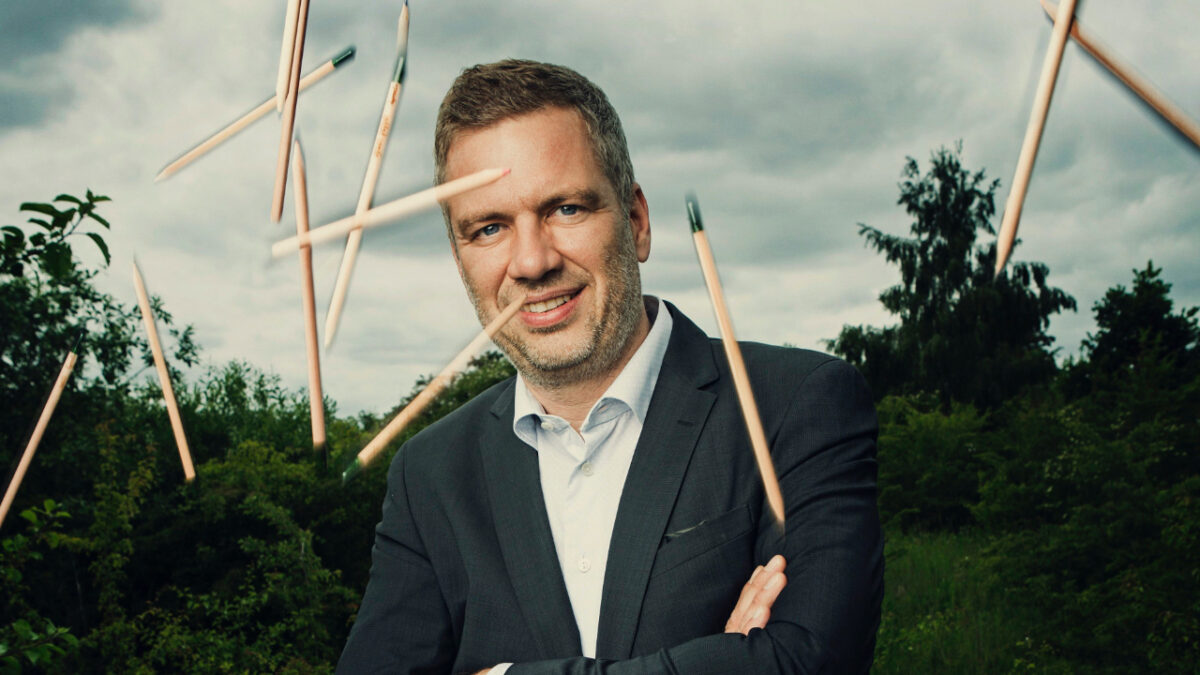
“More consumers than ever are willing to pay for innovation and good design. Unfortunately, that also makes innovative companies more attractive to counterfeiters,” says Michael Stausholm, founder and CEO of SproutWorld.
“When we launched SproutWorld more than a decade ago, protecting a patent internationally was incredibly difficult for a small company. Unless you had a significant legal budget, you were often one step behind. Today, AI allows us to monitor online marketplaces continuously and respond much faster than we ever could before.”
SproutWorld began using AI-powered brand protection software in 2020 to monitor online marketplaces for potential patent infringements of its plantable Sprout pencil. Since then, the company has combined automated monitoring with continuous enforcement across major global marketplaces.
As Stausholm says: “Counterfeit plantable pencils don’t just copy our product – they copy our brand. They often use our images and marketing materials, making customers believe they’re buying the original. But the experience is very different. We’ve seen fake pencils with plastic seed capsules that can’t be planted, seeds that never sprout and, in some cases, contaminated seed capsules containing rat droppings. That’s not just a problem for our business: it undermines consumer trust in sustainable products.”
According to Red Points, SproutWorld’s technology partner, years of consistent enforcement are beginning to create what it describes as a “cleaning effect”: a gradual reduction in the number of counterfeit listings available on major online marketplaces.
“AI hasn’t eliminated counterfeiters,” says Stausholm. “But it has made it possible for us to work much more systematically. We believe that’s one of the reasons we’re now seeing significantly fewer counterfeit products and fewer sellers. For us, success isn’t finding more counterfeit products, it’s finding fewer because the marketplaces are becoming cleaner.”
EUIPO also highlights that small and medium-sized enterprises are particularly vulnerable to counterfeiting because they often rely on a limited number of innovative products while lacking the resources to monitor and enforce intellectual property rights globally.
“If our experience can inspire other innovators, that would be the biggest success,” says Stausholm. “AI won’t replace patents or lawyers, but it can dramatically reduce the time and cost of protecting innovation. That gives smaller companies opportunities that simply didn’t exist a few years ago.”