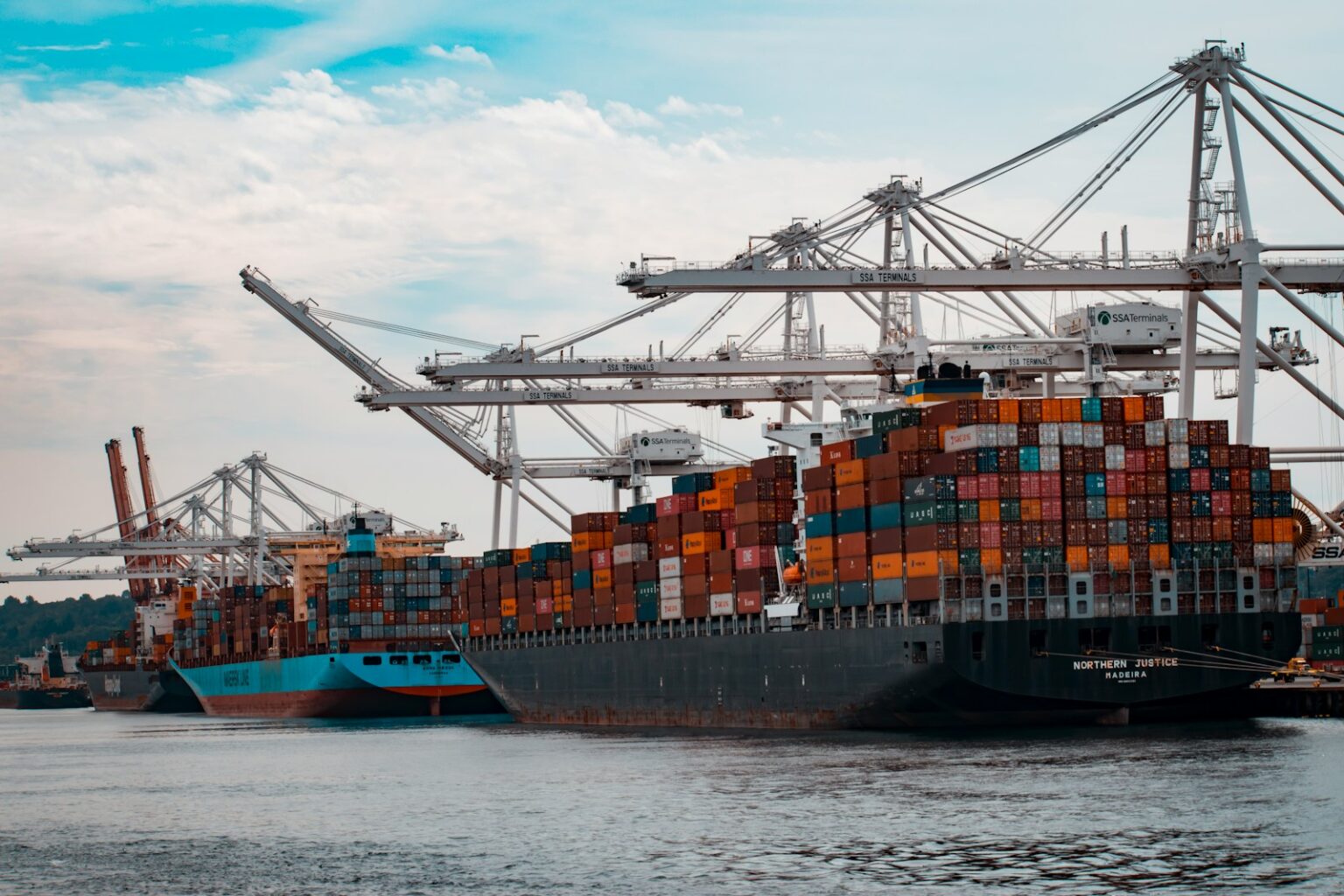
Last year, my neighbor started selling her grandmother’s chili paste recipe online. Nothing fancy – just the same stuff she’d been making for church fundraisers. Six months later, she got an order from Sweden. Then Singapore. Then a restaurant chain in California wanted to talk about distribution.
That’s the weird thing about today’s world. What’s sitting in your kitchen cupboard might be somebody’s exotic dream product on the other side of the planet.
Understanding Your Local Advantage
Here’s what most people get wrong about exports: they think you need something revolutionary. You don’t. You need something real.
I learned this the hard way when I tried helping a friend export “fusion” sauces that combined every trendy flavor we could think of. Total flop. Meanwhile, the guy down the street shipping his uncle’s traditional wood-smoked salt? Can’t keep up with orders.
Every place has its thing. Maybe yours is obvious – like Vermont maple syrup or Scottish whisky. But probably it’s not. It might be that weird purple sweet potato that only grows in your soil. Or that rug-weaving technique your town’s been doing since forever.
The best products for export usually have this annoying quality where locals think they’re no big deal. “Oh, everyone makes this,” they say. No. They don’t. And that’s exactly the point.
Global trends are your friend here, but not how you’d expect. People aren’t looking for products that follow trends – they want authentic stuff that happens to fit into their lifestyle. The health-conscious crowd wants real fermented foods, not health-branded processed junk. Craft enthusiasts want actual handmade goods, not factory items with rustic packaging.
And here’s something practical to consider: if you’re scaling up production or need specialized equipment for processing, packaging, or transport, don’t let equipment costs hold you back.
Options like vehicle and equipment finance can help you get the machinery you need without eating up all your working capital. That vintage olive press or specialized packaging line might be exactly what takes your local product global.
The expat community is basically your unpaid marketing department. They miss home. They introduce local friends to their comfort foods. Before you know it, you’ve got organic demand in markets you never considered.
Don’t try to please everyone. Seriously. The minute you start thinking “how can I make this more universal?” you’re probably killing what makes it special. That fermented fish sauce that makes some people gag? There’s a community somewhere that considers it liquid gold.
Your “local” label isn’t a limitation – it’s your entire pitch. While big companies spend millions trying to create authentic stories, you actually have one. That recipe really did come from someone’s grandmother. That technique really has been in your town for generations.
Wine people figured this out ages ago. Nobody buys Champagne just for bubbles. They buy it for the place, the process, the whole story. Your local specialty works the same way.
Research and Market Validation
Okay, so you’ve got this amazing local product. Now what? Here’s where most people mess up – they assume everyone will love it as much as the locals do.
I watched a friend blow his savings shipping artisanal pickles to Japan without checking one crucial detail: Japanese import laws for pickled vegetables. Turns out, there’s a mountain of paperwork involved. He learned this after the shipment got stuck in customs for three months.
Start small and test everything. Send samples to friends abroad. Join expat Facebook groups and offer taste tests. Hit up international food forums and see if anyone bites. You’re looking for that “oh my god, where can I buy this?” reaction, not polite interest.
Import regulations are boring as hell but ignore them at your peril. Every country has its quirks. The EU wants to know everything about your food safety processes. The US has different rules for different states. Some Middle Eastern countries have strict halal requirements even for seemingly innocent products.
Here’s a hack: find someone already exporting something similar and pick their brain. Most successful exporters remember being clueless and are surprisingly helpful. They’ll tell you which countries are nightmares for paperwork and which ones are surprisingly easy.
The internet is littered with stories of unexpected export successes. My favorite is the Malaysian fruit that nobody thought would travel well. Durian – that spiky, smelly fruit that’s banned in hotels – now ships globally frozen. Companies like durian exporters Malaysia figured out the logistics, and now there’s a thriving market among Southeast Asian communities worldwide plus adventurous foodies everywhere.
Temperature-controlled shipping changed everything. Products we thought were impossible to export are now flying off shelves globally. Fresh herbs, delicate pastries, even live plants – if someone wants it badly enough, there’s probably a way to ship it.
Don’t just think about where your product would sell. Think about where it would sell for the right price. Shipping to Australia might cost twice as much as shipping to Canada. Your target market needs to value your product enough to cover those costs plus your markup.
Cultural homework matters more than you’d think. That beautiful pork product? Probably not flying in Muslim-majority countries. Your amazing beef jerky? India’s not your market. But flip it around – your vegan specialty might absolutely kill it in cities with large Hindu populations.
Test your pricing assumptions ruthlessly. What seems expensive locally might be cheap internationally, or vice versa. I know someone selling handmade soap for $5 locally who discovered Germans would happily pay €15 for the same bar because it matched their expectations for artisanal quality.
Look for unexpected connections. Sometimes your best market isn’t where your product originated but where people have emotional connections to it. Italian-Americans might be more passionate about traditional Italian foods than some Italians. The nostalgia factor is real and profitable.
Building Your Export Infrastructure
Let’s talk about the unglamorous stuff that actually makes or breaks your export business. Packaging, for starters. That charming mason jar that works at farmers’ markets? It’s going to arrive in Frankfurt as expensive broken glass.
You need packaging that survives being thrown around by people who definitely don’t care about your artisanal anything. But here’s the catch – it still needs to look good on arrival. Nobody’s paying premium prices for something that looks like it went through a war zone, even if it tastes amazing.
Payment systems are another reality check. Your local customers might happily Venmo you, but that’s not flying internationally. PayPal works but eats into margins. Bank transfers feel like 1995 but might be your best option for large orders. Cryptocurrency? Maybe, if your customers are into that.
Currency fluctuations will mess with your head. That order you priced in euros last month might be worth 10% less by the time payment clears. Build buffers into your pricing or specify that prices are only valid for 30 days.
Marketing to Global Audiences
Here’s the truth about international marketing: your story matters more than your product. People can buy honey anywhere. They’re buying YOUR honey because of what it represents.
But telling that story across cultures gets tricky. What sounds heartwarming in English might translate as weird or pretentious. I’ve seen beautiful brand stories become unintentionally hilarious in translation. Get native speakers to check everything, and I mean everything.
Social media is obviously huge, but each platform works differently in different countries. Instagram might be perfect for reaching customers in Brazil, while WeChat is essential for China. WhatsApp Business is massive in India and Southeast Asia but barely used in the US.
The smartest exporters I know use automation to handle the repetitive stuff while keeping the personal touch where it counts. Tools like direct mail integration let you send personalized product catalogs or thank you notes to international customers without manually addressing hundreds of envelopes. It’s about scaling the personal connection, not replacing it.
Build trust through transparency. Show your production process. Introduce your team. Share the failures along with successes. International customers are taking a bigger leap of faith than local ones – give them reasons to make that leap.
Partner with micro-influencers in your target markets. Not the ones with millions of followers, but the food bloggers with 10,000 engaged readers who actually trust their recommendations. One authentic review from someone locals respect beats a hundred generic advertisements.
The Bottom Line
Starting an export business isn’t about having perfect products or unlimited resources. It’s about recognizing what makes your local specialty special and finding the people who’ll appreciate it.
Start with one market. Ship to one country. Learn what works and what doesn’t. Every successful global brand started with a single international order.
The world is genuinely hungry for authentic, interesting products with real stories behind them. Your local specialty might be exactly what someone’s been searching for.