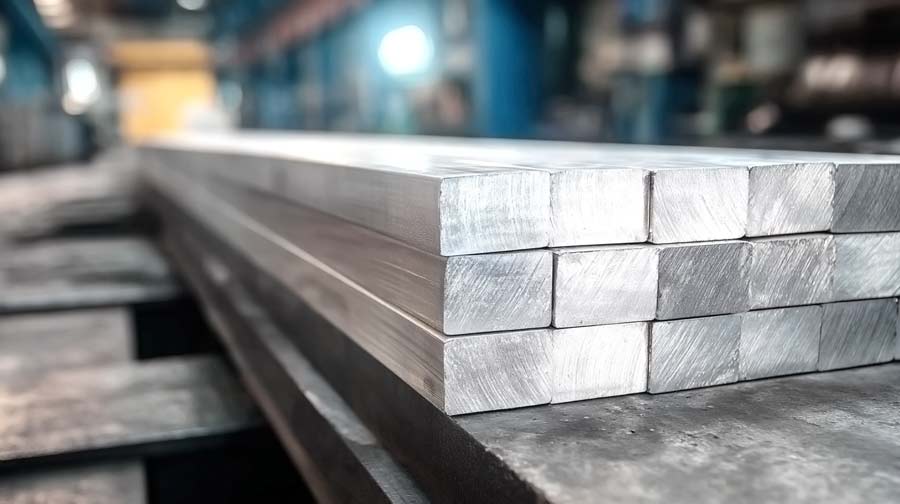
Choosing the right material for a project has never been as simple as checking which one is stronger. Strength matters, of course, but in the real world, weight, cost, corrosion, and ease of fabrication often carry just as much weight, sometimes more. That is why aluminium flat bars have been edging steel out of the picture in so many different industries. They are not stronger in the raw sense, but they are a smarter choice in many applications. Lighter to move, easier to work with,and more resistant to the weather. If steel is the heavyweight fighter, aluminium is the tactician, lean, adaptable, and durable in a way that pays off when you actually put it to work.
The first advantage is obvious the second you lift it: aluminium weighs about a third as much as steel. That low density is a positive across the whole supply chain. Transport becomes cheaper, workers do not have to wrestle with heavy sections on site, and designers suddenly find themselves free to shave down overall mass without compromising structure. This is why car manufacturers obsess over aluminium, why it shows up in aircraft and bikes and even furniture. A flat bar made from aluminium might not boast the raw figures of steel, but once you compare strength relative to weight, especially with alloys like 6061-T6, the picture shifts. You get enough muscle to handle the load without all the dead weight dragging everything down.
Then there is corrosion. Steel can be as strong as anything, but leave it unprotected in the rain and you know what happens, flaking rust, constant repainting, or the need to fork out for stainless. Aluminium, on the other hand, protects itself. A natural oxide layer forms and shields it from the elements. That is why you will find aluminium flat bars in marina fittings, coastal railings, and outdoor architectural work where nobody wants to spend every spring sanding and treating metal. It is baked-in resilience, not an afterthought.
Fabricators will tell you another reason they reach for aluminium: it is easier on the tools and faster to work. Cutting, drilling, welding, and bending it all comes together with less fuss than steel, which tends to chew through machinery and demand more energy. For bespoke jobs or intricate shapes, aluminium makes production quicker and keeps labour costs in check. Of course, not all aluminium is created equal. Alloys matter. The everyday workhorse, 6061-T6, delivers a good balance of weldability, corrosion resistance and tensile strength (around 310 MPa ultimate strength, if you like the numbers). For more demanding needs, think aerospace or high-performance kit, 7075 aluminium has an exceptional strength-to-weight profile, though it can be more temperamental to join.
Cost is the one sticking point that sometimes makes people hesitate. Steel, especially mild steel, looks cheaper by the kilo. But factor in the lifetime costs, lighter shipping, easier installation, reduced maintenance, better efficiency in vehicles thanks to lower mass, and aluminium often comes out on top. And then there is the sustainability angle: aluminium is endlessly recyclable, melting down and reforming without losing its properties. At a time when industries are being pushed towards greener solutions, that circular economy makes a real difference.
Look at where aluminium flat bars end up and the trend is obvious. In marine and outdoor structures where salt and weather chew through steel, aluminium holds its own. In transport, it trims weight from frames and supports without compromising safety, shaving off enough kilos to matter for fuel efficiency. And in architecture and furniture, the machinability and sleek finishes make it a practical and aesthetic choice at the same time.