Open accounting financial data is key to enabling small and medium-sized enterprises (SMEs) to improve their cashflow. There are four main ways it can achieve this: by giving them a better understanding of their financial position, and improving their budgeting and forecasting, their relationships with banks and transparency and accountability.
By gaining access to real-time data on their income, expenses and cashflow, businesses can gain a more accurate picture of their finances. This also allows them to identify areas where they can save money or generate more revenue. Using this information, SMEs can negotiate better deals with vendors, eliminate unnecessary expenses or find ways to reduce costs. They can also use the data to identify products or services that are in high demand or to target new markets.
With access to historical data, companies can better predict their future cashflow needs too. By tracking their income, expenses and cashflow over time, the information gathered can also be used to create more accurate budgets and forecasts, which can help them to avoid cashflow problems.
By sharing their financial data with banks and other financial institutions, SMEs can build greater trust and credibility as well. This can make it easier for them to obtain loans and other forms of financing, which can help them boost their cashflow.
And by making their financial data public, SMEs can demonstrate to their customers, suppliers and other stakeholders that they are a responsible and well-managed business. This can help them to build trust and loyalty, which can lead to increased sales and revenue.
Cashflow forecasting
Of all these uses, cashflow forecasting is the most useful. It means predicting a firm’s incomings and outgoings over a set period. The more accurate the forecast is, the easier it is to run a business because they know how much money they have available to spend. That’s critical given that 82% of businesses fail due to poor cash management.
Starting with the right data
Having the right data to start with is key. To ensure greater accuracy, companies need to factor in a host of variables like seasonality, terms of payment, the time taken between finishing work and getting paid, and ways to encourage people to pay on time. In addition to the money coming in, they must also look at expenses, such as inventory, rent or mortgages, payroll, tax obligations, supplies and other monthly operational costs, as well as any large future financial outlays, for example, upgrading equipment or machinery.
Predicting different scenarios
There are three different scenarios that organisations need to predict. The base case is calculated according to a normal business as usual cashflow forecast. Then there is the worst case scenario, which is based on factors such as the highest possible discount rate, inflation rate, input pricing and interest rates, and finally, the best case, which may include the highest possible revenue growth rate and lowest possible expenses, rates and favourable economic conditions.
Frequent forecasting
It’s also important to conduct regular forecasts to ensure that they are as relevant and timely as possible. Ideally, SMEs should do one, three and five-year forecasts, keeping track of revenue on a weekly basis. In doing so, they can quickly identify when and which outgoings need to cut back on, as well as opportunities to invest in and grow the business.
Financial forecasting tools
There are many online financial forecasting tools available for cashflow forecasts. They can be customised to show projections over different periods by using the data from the company’s accounting software and databases. Above all, though, it’s key to find a platform that matches the business needs.
Being able to more accurately forecast their cashflows means SMEs can plan for the future with certainty. The economic shocks of the last year have proven why they need to keep on top of their finances in these increasingly uncertain times.
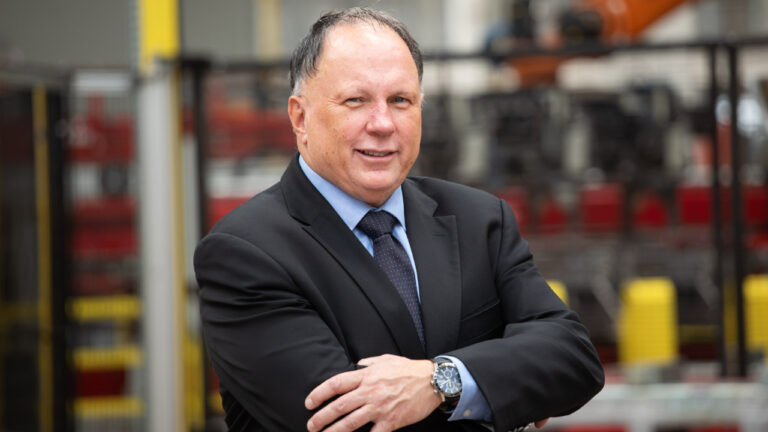
Chirag Shah has over 20 years of experience in the financial services industry and a deep understanding of the needs of UK SMEs. In 2011, he founded Nucleus, a leading alternative finance provider, to offer flexible and tailored solutions for SMEs across various sectors and stages of growth. With an understanding of the challenges that UK SMEs face in the current economic climate, Chirag launched Pulse in October 2022, a free-to-use service that helps businesses and accountants gain insights into financial performance with AI-powered data visualisation and personalised dashboards. Chirag is not only committed to driving growth and innovation in the UK business ecosystem, but he’s also helping SMEs better understand their data to boost their profitability and guide them towards success.