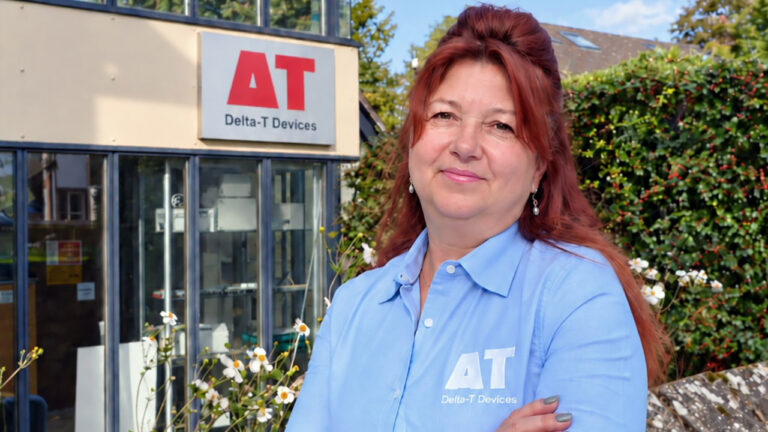
Sarah Nicholson, Head of Payroll Outsourcing at DJH Bury, looks at the rapidly changing pace of payroll and why the sector’s professionals deserve their week in the spotlight.
I started in payroll in 1994. Back then the year end was a stack of paper P14s, a P35 to reconcile and a run to the local tax office. There was no minimum wage. There was no auto enrolment. And when someone was off sick, the first three days were unpaid, and if you were a small employer, you could still get the cost back from the Revenue.
Every one of those sentences is now wrong.
National Payroll Week feels like the right moment to make a simple point: payroll has quietly become one of the most heavily regulated jobs in a business. It’s a role that keeps growing in scope, year on year.
The one that costs you money: Employer National Insurance
If I only get to tell a business owner one thing, it is this one.
In April 2025 the government did two things to Employer National Insurance at the same time. The rate went up from 13.8% to 15%, and the secondary threshold, the point at which you start paying it, was cut from £9,100 to £5,000. Either change on its own would have been significant, but together they were the biggest single increase in the cost of employing people that I have processed in my 32-year career.
What makes it worse is where it landed. Dropping the threshold from £9,100 to £5,000 pulled in a whole band of part-time staff, who previously cost nothing at all in employer National Insurance. Someone on £7,000 a year went from zero to £300. Someone on £12,000 went from £400 to £1,050, a rise of more than 160%.
Further up the scale the increases are real but gentler. On average earnings of around £36,000 the bill went up by roughly a quarter, and on £100,000 by about a seventh. Measured as a share of what you pay someone, it is close to 4% on a £20,000 salary and under 2% on £100,000. So, it fell hardest on the businesses running the most part-time and lower-paid staff. Hospitality, retail, care and leisure.
The employment allowance takes the edge off for smaller employers, and I will come back to that. But it is a fixed sum. Once it is used up, the rest is simply cost.
And it is not a one-year problem. The £5,000 threshold is frozen until April 2031, so as wages rise, more of every salary sits above it. You will pay more each year without a single announcement being made.
There is a small oddity that comes with this, and I mention it only because it tells you how far the ground has shifted. The employer now starts paying National Insurance at £5,000, but an employee does not start building a qualifying year towards their state pension until £6,708. In thirty-two years, I have never seen the employer’s starting point sit below the employees. It does now.
The newest addition: statutory sick pay
April 2026 brought the biggest change to SSP since it came in back in 1983.
A trio of things happened at once. The three unpaid waiting days went, so SSP is payable from the first qualifying day of absence. The lower earnings limit test went, so every employee qualifies whatever they earn, bringing around 1.3 million more workers into scope overnight. And the calculation changed. SSP is now the lower of £123.25 a week or 80% of the employee’s average weekly earnings over the previous eight weeks.
That last one is what is catching many people out. For most staff it is still a flat weekly rate. For your lowest paid and part-time people, it is a percentage calculation that must be run individually, every time, off an eight-week reference period.
Here is the bit that matters commercially, and it is worth taking the long view on it.
When SSP came in, employers got all of it back. That dropped to 80% in 1991. The year I started, 1994, the 80% reimbursement was abolished for everyone, leaving small employers’ relief as the only route back. That relief went the following year, replaced by the percentage threshold scheme, which lets you reclaim SSP above 13% of your Class 1 National Insurance in a month. That scheme was itself abolished in April 2014. Apart from the temporary Covid rebate, employers have recovered nothing since.
So, across my career the government has closed every route back, one at a time, and has now significantly widened who you must pay it to. All that sits on your cost line.
Enforcement has teeth now too. The Fair Work Agency launched in April 2026 with powers covering SSP alongside minimum wage and holiday pay.
Money you might not be claiming
Three things I see missed most often:
Employment allowance. It is £10,500 for 2026/27, and the old £100,000 cap was removed in April 2025, so employers of every size can claim now. Plenty of businesses that were shut out before having never gone back to check. The exclusion that still catches people is the single director company where that director is the only employee paid above the secondary threshold.
The other trap is connected companies. If two or more companies are connected at the start of the tax year, only one of them can claim the allowance, and it is for the companies to decide which.
Small employers’ relief. If your total Class 1 National Insurance was £45,000 or less in the previous tax year, you can recover 109% of statutory parental payments instead of 92%. That compensation element has gone from 3.5% to 8.5% to 9% in the space of two years, so if you last looked at this before April 2025, the number in your head is wrong.
On £12,000 of statutory maternity pay the gap is around £2,000. Two things to watch. The £45,000 test ignores the employment allowance, and because employer National Insurance went up in April 2025, some businesses that qualified last year will not this time around, and some that did not, now might. Worth re-checking every year rather than assuming. SSP is not covered by this one.
Mileage. Approved mileage allowance payments went up to 55p for the first 10,000 miles, the first change since 2011, announced in May 2026 and backdated to 6th April. If you were reimbursing above the old 45p rate, you may have deducted tax and National Insurance that is no longer due, and payroll may need correcting for earlier months of this year.
What is already in the diary
The pace is not slowing. From 30 October 2026, employers must take all reasonable steps to prevent sexual harassment, including harassment by third parties, and trade unions gain a strengthened right of access to workplaces.
From 1 January 2027, the unfair dismissal qualifying period drops from two years to six months, and the cap on compensation goes at the same time. Anyone already employed, plus anyone hired up to around the end of June 2026, is protected the moment that takes effect. Anyone taken on after that reaches it at their own six-month mark. It is worth knowing which of your people fall into which group before January rather than after.
Then from April 2027, payrolling benefits in kind becomes mandatory for company cars, car fuel, vans, van fuel and medical benefits, with the rest following in April 2028. HMRC is asking employers to start talking to staff about it now, and it is worth being careful about what you tell them.
Tax codes will change for anyone with a benefit, but the effect on take home pay will not be the same for everyone. Where the benefit is already coded, the tax is simply being collected somewhere else and net pay should land in much the same place.
Where it is not coded, or where it has been collected a year in arrears, people will see a real drop. Those are two very different conversations, and one generic email to all staff will create more questions than it answers.
In summary
Thirty-two years in and I would not have picked anything else. Payroll is the one job where getting it wrong is immediately obvious to every single person in the business, and getting it right is completely invisible. That is exactly why the people who do it well deserve the week of recognition they get. Enjoy it!