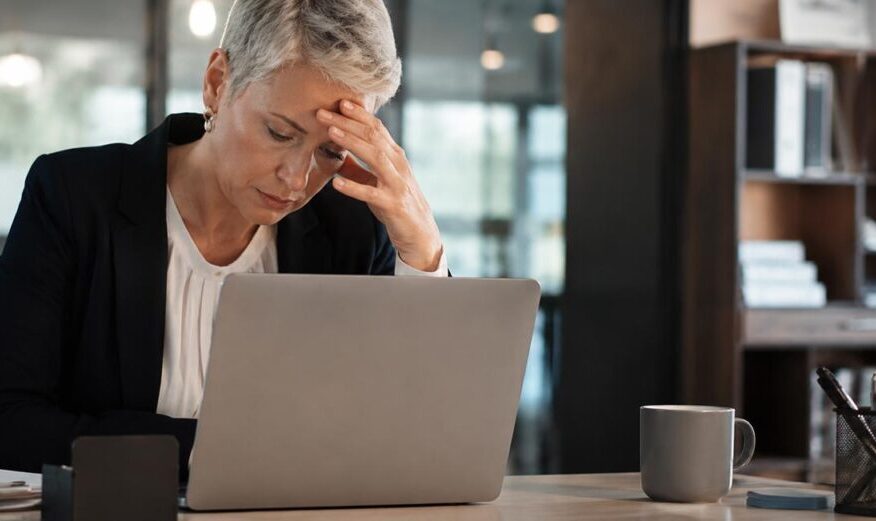
Late payments are a common pain point for sole traders and small businesses in the UK. Delayed invoices can affect a business’s cash flow and overall stability. Chasing payment is also a source of stress for many founders and an additional administrative burden.
Historically, large businesses have used long payment terms or delayed processing in ways that work for their own cash flows but place strain on smaller suppliers. As many small businesses operate with limited financial buffers, even a short delay can create operational difficulties. In recognition of this issue, the UK government has recently announced reforms aimed at cracking down on late payment practices.
Robust financial planning and setting clear payment processes can help small businesses reduce some of the risks associated with overdue payments. Establishing clear financial protections early can help safeguard a business from the outset, which is why many founders consider these factors during the early stages of company formation.
In this article, 1st Formations will explore how late payments affect sole traders and small businesses, alongside practical ways to reduce the risks.
Why are late payments a major issue for small businesses?
Late payments typically affect smaller businesses more than large organisations. A large company may be able to absorb disruption caused by a delayed payment because it usually has more cash reserves, access to credit, and diversified revenue streams. Smaller businesses often don’t have these, meaning a single late payment can quickly create cash flow problems.
Late payments often create a chain reaction of problems. When income arrives late, sole traders and small businesses may struggle to manage payroll, invest in growth plans, budget accurately, and pay tax bills. They may also struggle to cover subscription costs or pay suppliers on time, which can create knock-on cash flow issues for other businesses.
Many small businesses consider late payments to be their biggest cash flow issue. Some may be waiting to receive thousands of pounds. Because of the scale of the problem, many business owners spend hours every month chasing unpaid invoices, which places additional strain on resources. It can also limit growth, as late payments become more problematic as businesses grow and take on larger contracts.
Sole traders can be particularly vulnerable to the effects of late payments because their business income is often closely tied to their personal finances. An outstanding invoice may directly affect household budgeting, personal bills, and financial security.
The wider impact on business growth and confidence
While most people are aware that late payments have an immediate impact on cash flow, fewer recognise their potential long-term consequences.
The uncertainty that late or inconsistent payments cause makes planning more difficult. If founders can’t reliably predict incoming revenue, they may delay decisions around hiring staff, expanding services, or purchasing stock. This uncertainty can slow down growth plans.
Late payments can also affect the morale of business owners and sole traders. Having to chase invoices on top of their already busy day-to-day workload can increase stress. Chasing overdue payments limits the time and energy founders have left for revenue-generating work.
Ultimately, repeated late payments can force businesses to become more cautious about new opportunities. A lack of confidence in on-time payments can put founders off from taking on certain agreements. For example, some will decline larger projects because payment terms are too risky. Others may avoid working with bigger organisations that are known for slow processing. Decisions like this can limit the pool of clients they can work with.
In some cases, late payments can even contribute to a business’s closure.
Why late payments happen
Not every late payment is deliberately delayed. Sometimes payments don’t arrive on time due to accidental administrative errors or financial difficulties within the client’s own business.
However, when a business regularly pays its invoices late, there are usually structural reasons why these habits persist. Sometimes, the client will have a long payment approval chain within its business, which slows down the process. It may also be an organisation that is deprioritising invoices internally.
Many small businesses feel pressured to put up with late payments because they fear losing contracts or damaging relationships. However, it’s important for founders to feel comfortable following up on overdue invoices. It can help to have a late payment policy, which may include additional charges if deadlines are missed. Agreeing clear payment turnaround terms and a late penalty policy can help encourage payment within a timeframe that suits both parties.
Practical ways to reduce the risk of late payments
Sole traders and small businesses can’t eliminate every payment delay. Sometimes, there will be factors outside their control. However, they can reduce some risk by establishing clearer processes and setting firm boundaries.
Some of the things founders can do to discourage late payments include:
Using clear payment terms from the start
It’s important to set expectations for payment as early as possible when starting work with a new client. Ideally, terms should be formalised with a written contract. Important information, such as deadline dates and possible late payment charges, should also be clearly stated on each invoice.
Establishing clear agreements early on and restating core information on invoices helps reduce ambiguity.
Sending invoices promptly and accurately
Delayed or incomplete invoices can slow payment processing. If another business doesn’t understand what an invoice is for, they will be less likely to pay it promptly.
Founders can avoid questions about what an invoice is for by sending it immediately after work is completed. It’s also wise to clearly describe the work completed on the invoice. For example, a sole trader could state ‘five blogs for the company website’ instead of a broader description such as ‘marketing services’.
It’s also important for the sender to double-check contact and finance department details. Sending an invoice to the wrong person will cause unnecessary delays. If applicable, any purchase order (PO) numbers also need to be included and accurate.
Following up consistently
Many business owners delay sending reminders because they worry about appearing confrontational. However, professional follow-ups are a normal part of running a business.
It’s best practice to send a polite follow-up as soon as a payment is late rather than waiting until it becomes seriously overdue. Sometimes, a missed payment can be resolved quickly. The sooner a client is aware that an invoice has been missed, the sooner they can investigate the delay and process payment.
Avoiding overreliance on one client
Depending too heavily on one customer can increase vulnerability if they pay late. A diversified client base can reduce financial pressure. It can also create a more sustainable foundation for the business overall.
Building a financial buffer where possible
While building a financial reserve can be difficult for newer businesses, having any kind of emergency fund can still help absorb temporary disruption. This is particularly important for sole traders whose personal finances are closely tied to business performance.
Creating stronger financial foundations from the beginning
Many payment-related problems become easier to manage when businesses establish organised financial systems early on.
If a founder registers their business as a limited company, they legally need to separate their business and personal finances. This also changes how much personal responsibility a founder may have for certain business debts. Depending on their circumstances, some sole traders may explore company registration as part of reviewing how they structure and manage financial risk.
Beyond formal company formation, it’s useful for all sole traders and small businesses to use contracts and invoicing systems. There are digital tools that can help businesses of all sizes to create invoices efficiently.
Having an appropriate company structure and setting up strong invoice processes can help businesses appear more professional, which may improve payment reliability from clients.
Building a more sustainable future for small businesses
Late payments are more than an administrative frustration. For many sole traders and small businesses, they directly affect financial stability, growth opportunities, and day-to-day operations.
While the UK government’s proposed reforms to late payments may help improve accountability and payment standards, small businesses should still implement protective measures.
Many businesses experience late payments at some point, but sole traders and small organisations can reduce risk by establishing their own systems, processes, and boundaries. Having clear guidelines surrounding payment doesn’t guarantee that every client pays on time, but it can encourage faster payment and allow founders to operate with greater confidence.