The United Kingdom’s industrial landscape is undergoing a significant transformation as manufacturers adapt to the post-Brexit economy. At the heart of this evolution lies a critical component often overlooked by mainstream business coverage: the chain hoist market. Valued at USD 2.7 billion in 2023 and expected to reach USD 4.2 billion by 2031, growing at a 5.4% CAGR, this sector is becoming increasingly vital to Britain’s manufacturing competitiveness.
The Post-Brexit Manufacturing Reality
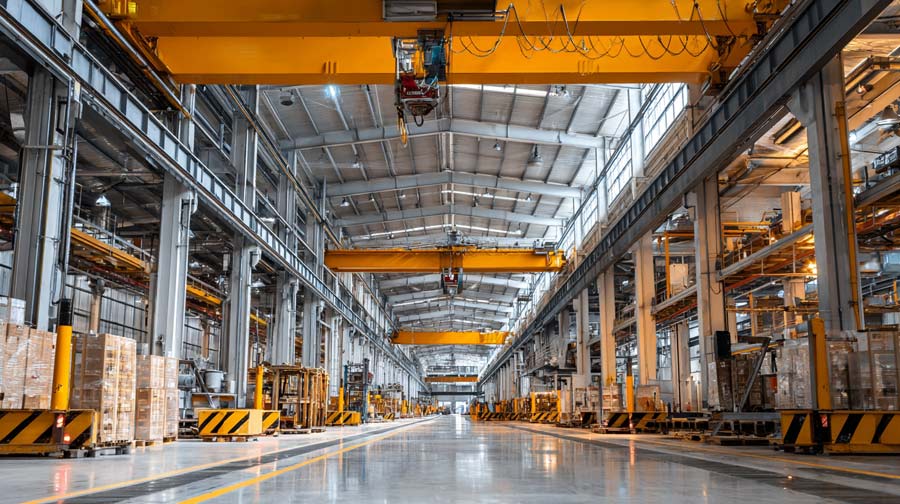
Since leaving the European Union, UK manufacturers have faced unprecedented challenges. Supply chain disruptions, new regulatory frameworks, and increased competition have forced businesses to rethink their operational strategies. In response, many are turning to automation and efficiency improvements, with chain hoists playing a pivotal role in this transformation.
The shift from manual to electric lifting systems exemplifies this trend. Electric chain hoists, capable of handling loads up to 20 tonnes with precision and reliability, are becoming the backbone of modern UK manufacturing operations. These systems offer significant advantages over traditional manual alternatives: increased productivity, enhanced safety, and reduced long-term operational costs.
Market Dynamics and Growth Drivers
The market for chain hoists is significantly influenced by the expansion of the industrial and construction industries, with the UK market showing particularly robust growth. Several factors are driving this expansion:
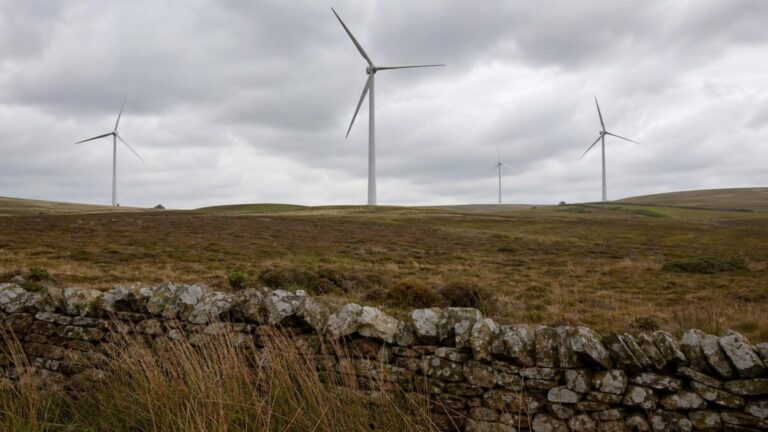
Infrastructure Investment: The UK government’s continued commitment to major infrastructure projects, from renewable energy installations to transport networks, has created sustained demand for heavy-duty lifting equipment. Chain hoists are essential for everything from wind turbine assembly to railway construction.
Manufacturing Modernisation: Post-Brexit, UK manufacturers are investing heavily in equipment upgrades to maintain competitive advantage. Electric chain hoists represent a crucial component of this modernisation drive, offering German engineering excellence from brands like Yale and Stahl that UK businesses increasingly prefer for their proven reliability.
Safety Compliance: Stricter workplace safety regulations have made investment in professional-grade lifting equipment not just preferable but essential. Modern electric chain hoists incorporate advanced safety features that help businesses meet evolving compliance requirements.
The Electric Revolution
Electric systems offer several compelling advantages:
Productivity Gains: Electric chain hoists can operate continuously with consistent lifting speeds, dramatically reducing operation times compared to manual alternatives. This efficiency gain translates directly into improved bottom-line performance.
Precision Control: Modern electric hoists provide precise load positioning, crucial for complex manufacturing processes where accuracy is paramount. This precision reduces waste and improves quality control.
Operator Safety: By eliminating the physical strain associated with manual lifting, electric chain hoists significantly reduce workplace injury risk. This improvement not only protects employees but also reduces insurance costs and regulatory compliance issues.
Customisation and Specialisation
Today’s UK market demands sophisticated solutions. Leading suppliers now offer bespoke electric chain hoists tailored to specific industrial requirements. Whether it’s ATEX-rated equipment for explosive environments, stainless steel chains for food processing applications, or specialised low-headroom designs for space-constrained facilities, customisation has become a key differentiator.
The technical considerations are substantial. Businesses must evaluate factors including required lift height, safe working load, power requirements (110v, 230v, or 400v), beam specifications, indoor/outdoor usage, duty cycles, and environmental conditions. This complexity has created a specialist consulting market, with experienced sales teams helping businesses navigate these technical decisions.
Brand Preferences and Supply Chain Considerations
Interestingly, UK businesses are increasingly choosing European-manufactured chain hoists, particularly German brands like Yale and Stahl. This preference reflects a prioritisation of quality and reliability over initial cost, a logical shift that makes sense in the current economic climate where equipment downtime can be very costly.
American brands like CM Lodestar are also gaining traction, particularly in applications requiring single-phase power compatibility or high-duty cycle operations. These hoists are popular in the UK rental market due to their longevity and low maintenance requirements.
Future Outlook
With the global motorised chain hoist market projected to reach USD 2.0 billion by 2032, this growth represents significant opportunities, particularly as manufacturers continue investing in automation and efficiency improvements.