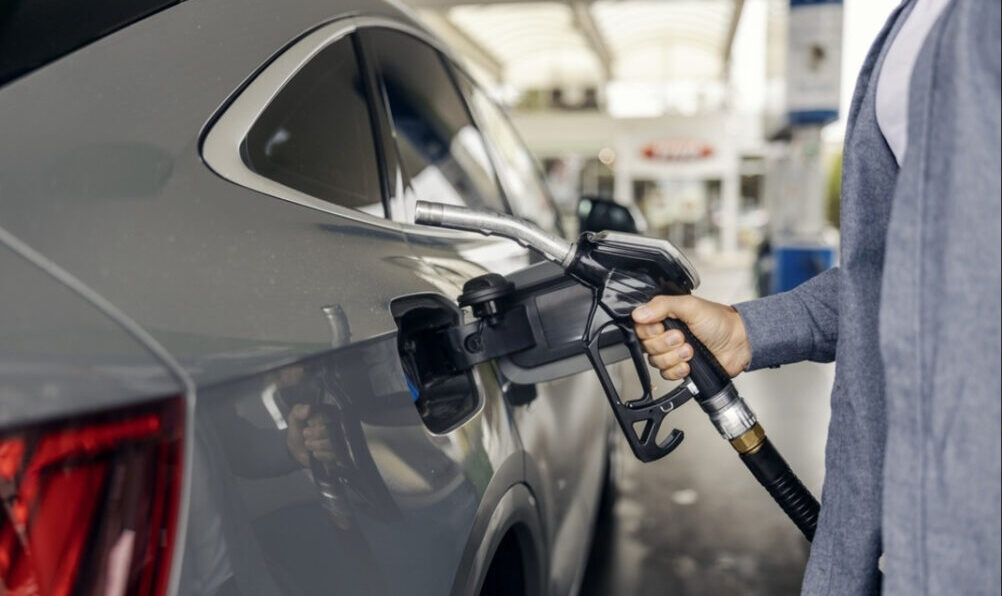
British motorists are reaching a breaking point as a combination of rising fuel costs and economic instability forces drastic lifestyle changes, with nearly one in ten workers now skipping meals to keep their cars on the road.
New research* from CarMoney reveals the extent of this ‘forecourt anxiety’, with 20% of the population admitting to feeling a sense of dread when passing petrol station price signs.
The financial strain is hitting younger drivers and those in the capital hardest. In London, 14% of motorists have been forced to reduce their food shopping budget or skip meals entirely to ensure they have enough fuel to commute. This figure rises to 21% among 18-24-year-olds nationwide, suggesting a generation of workers is being priced out of their own employment. 12% of young professionals have seriously considered quitting their jobs because the cost of the commute no longer justifies their salary.
Gender also plays a significant role in how the crisis is managed. While men are more likely to attempt to gamble with their remaining fuel, with 14% of male drivers in the North West admitting to driving with the fuel warning light on to avoid high-priced stations, women are more likely to make immediate sacrifices to their social lives. Nationally, over half (55%) of women aged 55-64 have prioritised walking over driving, yet the data shows that younger women are bearing the brunt of the emotional toll, reporting significantly higher levels of anxiety regarding price fluctuations.
Beyond the daily commute, the social fabric of the UK is being stretched. Nearly 14% of drivers in the West Midlands have cancelled visits to elderly parents or relatives who live further away, while 17% of Londoners have opted for more expensive, local convenience stores for their ‘big shop’ simply to avoid the fuel cost of driving to a preferred supermarket.
Andrew Marshall, marketing director of CarMoney, commented: “The data clearly shows that the British public is feeling the squeeze at the pumps, forcing many to think much more carefully about how and when they use their vehicles. For a large number of households, the car has become one of the most substantial monthly outgoings, requiring a very disciplined approach to budgeting just to maintain a daily routine. Whether it is young professionals reassessing their commute or families cutting back on social trips to see relatives, motorists are having to make proactive and often difficult choices to manage their transport costs effectively.”
Regional disparities also highlight the localised nature of the squeeze. Northern Ireland reports the highest percentage of drivers part-filling their tanks (29%) because they cannot afford to fill up. Meanwhile, Scotland shows a higher resilience in social habits, with 26% of Scottish motorists refusing to change their routines despite the price hikes, compared to just 16% in London.
The research also indicates a shift in domestic harmony, with 14% of 18-24-year-olds admitting to heated arguments with partners or family members specifically regarding ‘unnecessary’ car journeys. As the cost of living continues to bite, the data suggests that for many, the luxury of a Sunday drive or a trip to a beauty spot has been firmly consigned to the past.
*research conducted by national pollsters, Strat7, in April 2026 among 2,102 adult UK drivers.