With 30% of technical documentation outdated in modern facilities, industrial companies risk accidents, inefficiency, errors, and increased operational costs
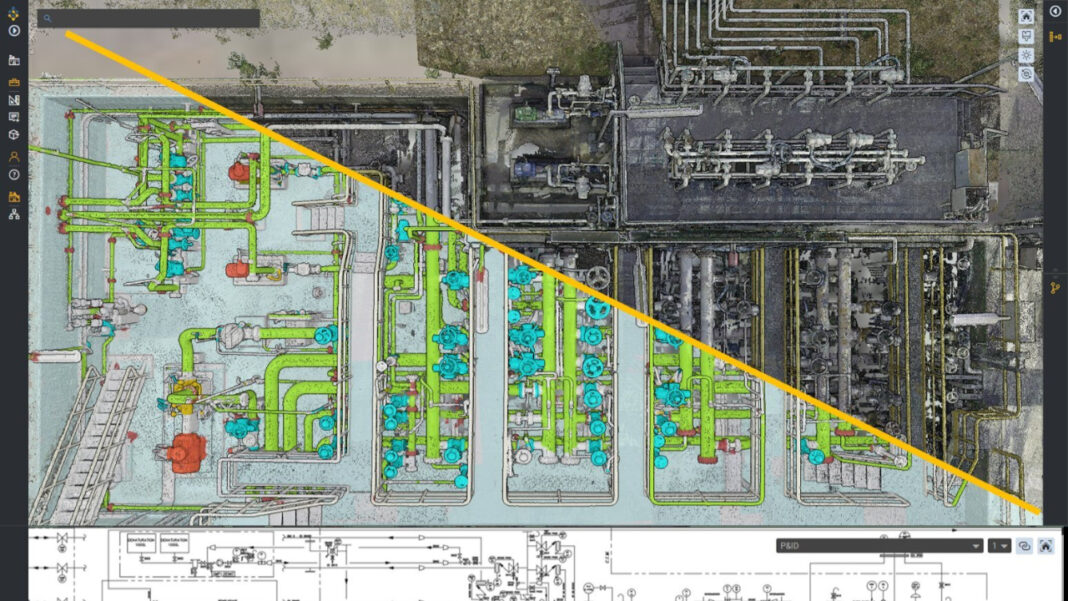
Industrial companies are unwittingly operating 30% blind due to critical gaps and errors in their technical documentation, according to insights from Samp, developer of an AI-powered ‘Shared Reality’ solution for industrial sites.
On average, industrial facilities modify around 2% of their assets every year, yet according to Samp research into over hundreds of industrial sites, only fifty percent of these changes are properly recorded in their documentation, meaning errors compound annually by 1%.
In a 30-year-old facility, which is relatively new in the industrial sector, this means errors accumulate to an alarming 30%. With the average age of industrial facilities often exceeding this threshold, the true scale of the problem is often even greater.
This concern is echoed by a recent poll conducted among European industrial site managers, which highlights widespread uncertainty over clean asset data. Of the 24 respondents, 14 provided insights on the percentage of clean technical asset data at their sites. Only one respondent claimed to have over 80% clean data, while a majority (12) estimated their clean data at 60% or below.
Laurent Bourgouin, CEO at Samp, commented: “We have always found between 20% and 30% errors or gaps in the technical documentation of industrial facilities. These findings reinforce the scale of the documentation challenge facing industrial sites, where poor data integrity contributes to inefficiencies and operational risks.”
This growing data gap leads to several issues for industrial sites, including, but not limited to:
● Increased downtime due to inaccurate system maps
● Higher maintenance costs from outdated infrastructures
● Greater risks to safety and compliance standards
● Inability to upgrade and transform infrastructure based on inaccurate / legacy data
Laurent Bourgouin added: “Many sites don’t grasp that these issues can be addressed over a weekend, with Shared Reality capturing on-site data and offering teams a comprehensive view of their facilities. It integrates technical documentation with actual site conditions, providing teams with an interactive, collaborative workspace. This rapid deployment ensures that all stakeholders, from operators, maintenance, engineering to management can work with a single, reliable source of truth. Shared Reality empowers teams to execute work safely, efficiently, and with no surprises on site, ultimately closing the data gap that many sites struggle with. It is vital if industrial sites are to succeed in their digital transformation, save costs, and ensure safety.”
According to industry reports, unplanned downtime costs manufacturers approximately $50 billion per year, with data inaccuracies contributing significantly to this expense. Sites using Shared Reality have seen significant savings on maintenance budgets through optimised data-driven operations.