

Premiumisation, Provenance and Conscious Choices – EU Food and Drink Trends in 2026
Premiumisation, provenance and conscious choices will sit at the heart of food and drink demand in 2026, according to new insights from the European Union’s ‘More Than Only Food & Drink’ expert advisory panel. Drawing on specialist knowledge across baked goods, cheese, meat, fresh produce, wine and spirits, the advisors point to a consumer base that is increasingly willing to trade up for quality, seek products with compelling regional stories, and make more considered decisions about what, and how, they eat and drink.
Consumers trading up for quality and craft
Simon Atkins, an independent bakery and food consultant and advisor to the EU’s ‘More Than Only Food” & Drink’ campaign, says: “Within the baked goods sector, pâtisserie and chocolate from across the European Union have always set the benchmark for indulgence, and social media has only amplified their appeal.
“The real question now is: what’s next? Several EU specialities are perfectly placed to capture the same mix of shareability, heritage and indulgence. Italian panettone, once considered purely festive, is becoming a year-round treat, especially as mini formats and creative flavours like pistachio or limoncello gain traction.
Simon added: “As the price of chocolate reaches record highs, it is important for retailers and operators to highlight the cocoa origin and cocoa content. Belgian single-origin and single-estate chocolates are set to grow, with consumers increasingly drawn to provenance and story.”
Gaynor Stokes, meat expert and advisor to the EU’s ‘More Than Only Food & Drink’ campaign, predicts consumers will continue paying more for meat as they prioritise treating themselves at home: “With the continued cost of living escalation, more consumers are eating at home rather than in restaurants. They are also prepared to pay a little extra for quality cuts that will deliver on taste and texture.”
As the premiumisation of cheese continues, Patrick McGuigan, cheese writer, educator and advisor to the campaign, notes: “I believe supermarkets will be looking for more premium and lesser-known European cheeses next year. One major supermarket has already launched a sub-brand positioned as ‘discovery’ as part of its premium range, which includes pre-packed cheeses from artisan producers. The range focuses on provenance, craftsmanship and exceptional taste. I expect to see more supermarkets launching similar ranges for consumers to explore.
“I also expect to see more cross selling in supermarkets. This is already happening with pre-pack cheeses from small producers merchandised with crackers, charcuterie, chutneys and wines, many of which are sourced from the EU.”
The importance of storytelling
Patrick also expects more artisanal influence on the cheeses available, specifically those with visual appeal: “Colourful cheeses that are decorated with leaves, flower blossoms or are soaked in alcohol are growing in popularity, and I believe will continue to be listed more by supermarkets and cheese shops. They capture people’s attention in the shop and are a talking point. Examples include Alp Blossom from Germany and Austria, leaf-wrapped Banon PDO from France, and wine-soaked Queso de Murcia al vino PDO from Spain.
Provenance and traceability are also important in the fruit and vegetable category, Veryan Bliss, a consultant to the fresh produce sector, and advisor to the EU’s ‘More Than Only Food & Drink’ campaign, states: “Consumers are demanding more than ‘grown in Europe’ – they want to know how, where and by whom. For EU produce, this means EU Quality Schemes such as Protected Designation of Origin (PDO) and Protected Geographical Indication (PGI), alongside digital traceability tools (QR codes, blockchain) and storytelling around regional origins. PDO is the EU’s highest guarantee of origin and quality, reserved for products made entirely within a defined area using recognised, traditional methods. PGI offers slightly more flexibility, requiring that at least one stage of production occurs in the specified region, while still ensuring that a product’s character and reputation are strongly linked to its geographic origin.
The processed fruit and vegetable sector report notes that transparency is now mainstream, creating a solid platform for European fresh produce that can legitimately differentiate via regional identity and trusted origin credentials.
Veryan adds: “In recent years, there has been a revival of “heritage” and “forgotten” crops – such as ancient brassicas from Brittany and zanahoria morá (black carrots) from Andalusia being introduced through EU biodiversity schemes. These offer a romantic, story-rich counterbalance to high-tech farming narratives.”
Provenance remains important when it comes to choosing meat, Gaynor adds: “As media and social media coverage on the issues surrounding meat production increases, consumers want to know more about sourcing, animal welfare and regenerative practices. Linked to this, they often purchase pre-prepared meats with spice and rub coatings, marinades and sauces inspired by different cuisines. They are looking for more convenience, such as pre-prepared slow cooked meats that still have an element of home cooking.”
Curiosity drives regional discovery
The world of wine has long been about discovery, and according to Neil McAndrew, wine consultant and advisor to the EU’s ‘More Than Only Food & Drink’ campaign, the thirst for knowledge is only set to continue. Neil suggests: “Moving into 2026, consumers are becoming more inquisitive with their wine choices and are open to new wines, regions and, to some extent, new flavour profiles. All sectors of the trade are embracing emerging regions of the EU, and this will drive growth. This will give consumers access to previously unknown wines, styles, and even ancient winemaking techniques. Many of these protected by the overriding control of the EU’s PGI, PDO and organic quality schemes, ensuring consistency and quality.”
“The future of wines from emerging regions such as Greece, Croatia, Bulgaria, Hungary, and Romania is bright as these countries continue to rediscover and refine their unique varietals, blending tradition with modern winemaking techniques to deliver wines of increasingly impressive quality.
Europe is renowned for its authenticity and rich variety of wines, many of which are protected by PDO (Protected Designation of Origin) labels. These labels guarantee the authenticity of the wine, ensuring that each is produced using traditional methods in specific regions. The introduction of newly approved grape varieties, which are more resistant to climate change, including in the most prestigious wine producing areas like Champagne, further reflects a firm commitment from producers and the EU to put sustainability at the heart of future wine production.
Next year will see the continuing re-emergence and growth of French wines in the market. The incredible variety and range on offer of regional wines from both classic and lesser-known areas provides a treasure trove of options. After exploring the new world, many consumers are being drawn back to the crisp white wines of the Loire Valley, world beating Chardonnay and Pinot Noir from Burgundy, modern, stylish wines from Bordeaux and the huge array of options from the increasingly dynamic regions in the South of France.
Alongside, consumer heavyweights such as the Champagne and Provence regions, quality and value across France has never been better. The latest generational shift is resulting in a greater focus on sustainability, with young winemakers producing the very best wine from the land they own whilst being more in tune with the modern drinker, it will be a year to rediscover France.
Conscious choices
Veryan Bliss comments: “Across the EU, the shift from “sustainable” to regenerative is accelerating – from soil-carbon credits and cover-cropping systems in Spain and Italy to reduced-tillage veg in Northern Europe. Consumers are starting to see “carbon-positive”, or “regenerative certified” language appear on-pack.
She adds: “Waste is also being addressed through innovation. From up-cycled citrus peel to tomato-based bioplastics, European innovators are turning surplus fruit and veg into functional ingredients, fibres, and packaging. The “no-waste” mindset extends to smarter grading, climate-friendly logistics, and new aesthetics around imperfect produce.”
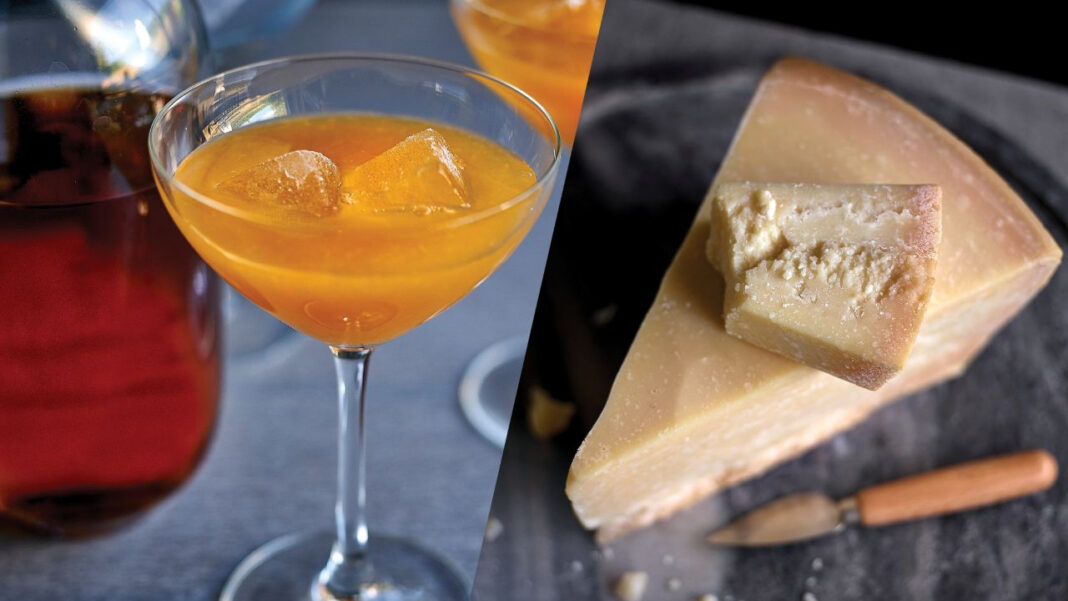
There is an increased focus on organics in the cheese category, and cheeses such as Parmigiano Reggiano PDO from Italy and Truffle Gouda from the Netherlands are being introduced into supermarket organic ranges.
The ‘less but better’ approach to drinking will also see consumers value more eco-conscious brands. 2026 will see growing demand for “green” wines — organic, natural, and low-intervention, with labels and QR codes providing transparency on sustainability practices.
Neil also expects to see further growth in demand for authentic, small production wines from family-owned estates that use traditional and low-intervention techniques to reduce environmental impact, support social responsibility, and ensure long-term economic viability.
Neil comments, “This sustainable movement covers every stage of wine production from organic and biodynamic farming in the vineyard to water management, soil health and the use of energy efficient equipment to reduce carbon emissions.
“Sustainability-focused wineries are also actively reducing waste by composting grape pomace and turning to forms of renewable energy like solar and wind. They have also recognised the most damaging effects of high transportation emissions and embraced lightweight packaging, using much lighter bottles or alternative packaging such as bag-in-box, kegs and canned wine. Many are also ensuring sound social sustainability practices, such as safe, fair working conditions for vineyard workers and economic sustainability through adaption to climate change.”
He adds: “Mindful drinking is a growing movement and has led to many new low and no alcohol wines being released over the last 12 months, the majority of which are produced within the EU.
“The EU has created a range of high-quality -no and low-alcohol products and there is no shortage of white, red, rosé and sparkling options available, as well as impressive examples from famous wine producers in classic regions like Provence and Bordeaux. With lots of new products emerging on the market and with innovation in production techniques leading to quality improvements, the low- and no-category for wine is one to watch next year.”
Kristiane Westray, spirits writer, educator and advisor to the EU’s ‘More Than Only Food & Drink’ campaign, sees the desire to reduce alcohol intake impacting the spirits category, with highballs proving increasingly popular with Gen Z drinkers.
She says: “Highballs make a spirit, such as an Irish whiskey PGI, more accessible, and when the spirit is swapped for something with a lower ABV like vermouth, it hits the low- and no- trend, too. In fact, over the last five years, online searches for ‘highball’ have increased by 32%”.
Other trends to watch
Along with a desire to eat healthily, 77% of young shoppers purchase food-to-go on a monthly basis (compared with those born between 1946 and 1964). For marketers in the fruit and vegetable category, this offers opportunities to lean into easy-preparation formats, such as ready-to-eat salads and snack fruit formats.
Fruit and vegetables can have other uses too, with Kristiane confident that the trend for savoury cocktails is just getting started, stating: ”From the Tomatini – a tomato-flavoured vodka Martini – to the Gibson, and the return of the Dirty Martini, savoury cocktails are very much part of the zeitgeist and this will continue into 2026.”
According to Kristiane, rum will soon have its moment. She adds: “It has been said for some time that the popularity of rum is still on the rise. Its slow growth points to something much more sustainable. Rum da Madeira PGI producers should be excited about this. Firstly, the fresh sugarcane style gives it an immediate point of difference from the molasses-based flavour profiles more commonly seen in the UK market. Secondly, it is inherently mixable. Bartenders looking to expand their rum menu for 2026 should have Rum da Madeira PGI from Portugal at the top of their wish-list.”
Read more stories like this on our LinkedIn page.