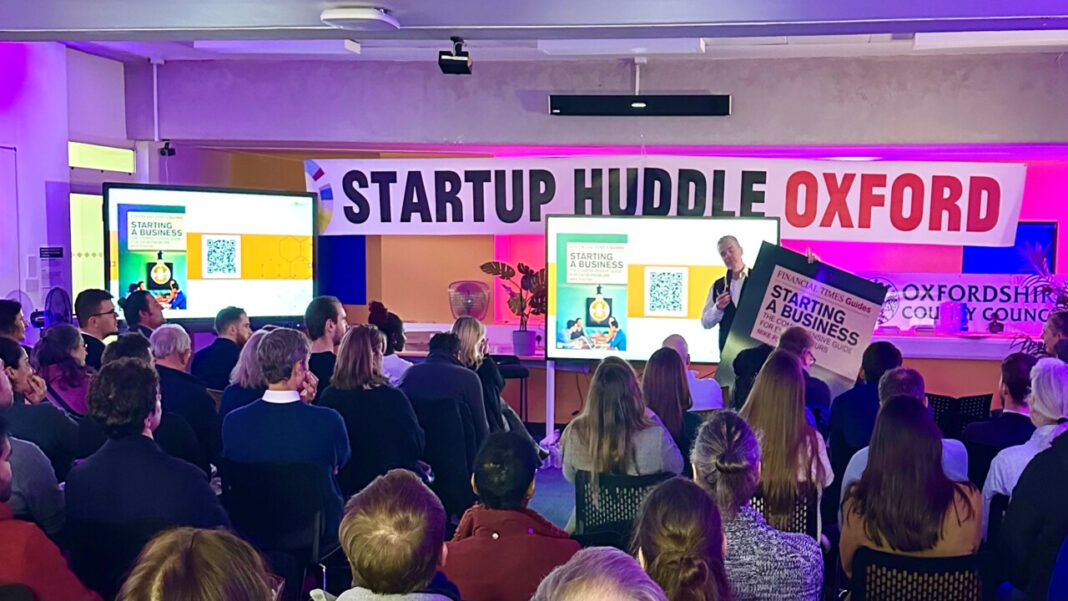
Mike Foster is a serial entrepreneur, business mentor and author of a new practical guide to starting and building a business. Having started, grown and sold multiple companies—and advised hundreds of founders—he shares ten unpopular truths about starting a new business with Business Mondays. Mike Foster is the Author of The Financial Times Guide to Starting A Business, published by Pearson.
Entrepreneurship is often romanticised. Freedom. Flexibility. Financial upside. But behind the highlight reels are realities most people don’t talk about.
Here are the truths that smart, capable founders repeatedly overlook courtesy of Mike Foster, The Entrepreneurs Mentor and author of The Financial Times Guide to Starting A Business (Pearson).
1. The Safest Way to Start is Often Not Quitting Your Job
The dramatic leap makes for a great story. But most sustainable businesses start as controlled experiments. Side hustles allow you to test demand before risking everything.
2. Having Money Doesn’t Guarantee Success
More capital doesn’t fix a weak business model.
In fact, excess funding can hide problems for longer.
3. Working Harder is Not the Answer
Brute force rarely wins.
If effort isn’t directed at the right activities, you’re simply exhausting yourself.
4. Your Success Won’t Be About You
Many founders believe they must do everything themselves.
The truth? Your success depends heavily on the quality of people around you.
5. It’s Not the Idea, It’s the Problem
Ideas are abundant. Real problems are valuable.
If you’re not solving an urgent, expensive or emotionally significant problem, traction will be slow.
6. Smart People Waste Time
Highly capable founders often:
• Underprice because they fear rejection
• Confuse activity with momentum
• Avoid uncomfortable conversations
• Under-invest in their own growth
Intelligence does not protect you from poor execution.
7. Stop Building More Services
Adding more offers does not equal progress.
Focus on the desired outcome your audience wants; not on expanding your menu.
8. Don’t Build a Business to Impress Anyone
The only approval that matters comes from customers willing to pay.
Build for control. Build for profit. Build for freedom.
9. Chase Profit, Not Revenue
Revenue is easy to inflate. Profit is what sustains you.
If your model doesn’t generate consistent profit, scaling will magnify stress.
10. Don’t Try to “Manage” People
You can’t control people.
Instead:
• Build clear systems
• Communicate purpose
• Equip them with skills
• Give them a reason to care
The Rule I’d Rewrite for 2026
Entrepreneurship isn’t about chasing validation.
It’s about solving real problems, mastering your numbers and building something that fits your temperament.
Stop asking, “Will this work?”
Start asking, “How do I make this work: profitably and sustainably?”
Mike Foster’s new book is a practical guide to building a business with clarity, strong foundations and the right mindset, aimed at helping founders avoid the mistakes that cause so many start-ups to fail in their first year.