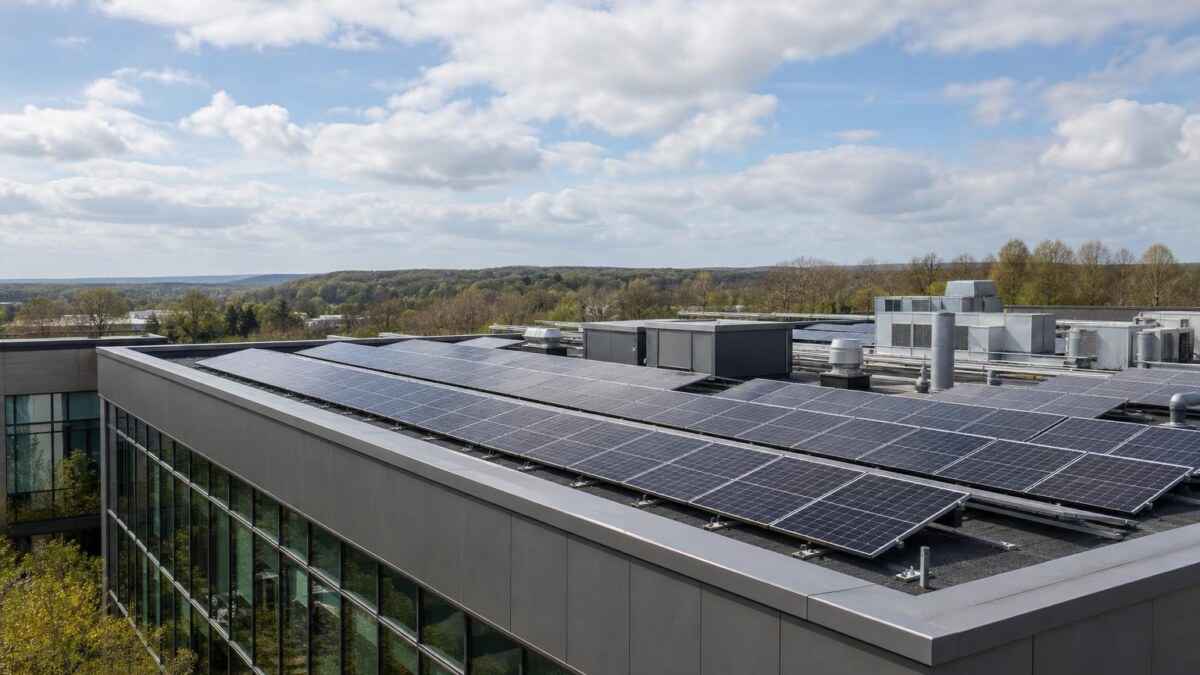
Rooftop solar panels are beneficial for a number of reasons. From reducing energy costs and future-proofing against volatile energy-related expenses to improving carbon emissions data, there are plenty of reasons why companies choose to use commercial solar installers.
However, there are quite a few things to keep in mind when installing rooftop solar panels. Businesses need to be aware of these before committing to a solar PV system to understand how it could affect initial business operations and long-term returns.
With that in mind, here are a few things businesses should check before installing rooftop solar panels.
Roof Condition and Structural Capacity
Solar panels, mounting systems, and ballasts are heavy and the roof must be able to support this additional weight safely. The roof should also be evaluated for signs of damage and any repairs need to be made prior to installation to avoid unnecessary costs further down the line.
Shading and Layout
Trees and close-by buildings can cast a shadow over solar panels, and this can impact their performance. Rooftop plants, skylights, access routes, and other obstructions can also shade the panels or make the area unusable, so it’s important that the roof’s layout is thoroughly evaluated and the annual energy generation is estimated based on the roof’s pitch and orientation.
Energy Consumption
Typically, solar panels are more beneficial when a business uses most of the energy that is generated. Companies should review their energy-related outgoings and consumption data to see when most power is used and if that coincides with daylight hours.
If a site has a large demand for power during the day, rooftop solar will likely be advantageous. A business whose demand is higher in the evenings may need to look at battery storage or consider an alternative form of renewable energy.
System Size
Many people assume that a bigger system equals more cost savings, but this isn’t always the case. The size of a system should always be based on a roof’s structural capacity and usable space, anticipated energy generation, and daytime electricity demand. Additionally, the feasible PV system size can be impacted based on whether a company uses a single or three-phase power system.
Investing in Solar Panels Takes Careful Consideration
When the condition, structural capacity, pitch, and orientation of the roof are considered alongside energy requirements, businesses can ensure that their investment is genuinely worthwhile.