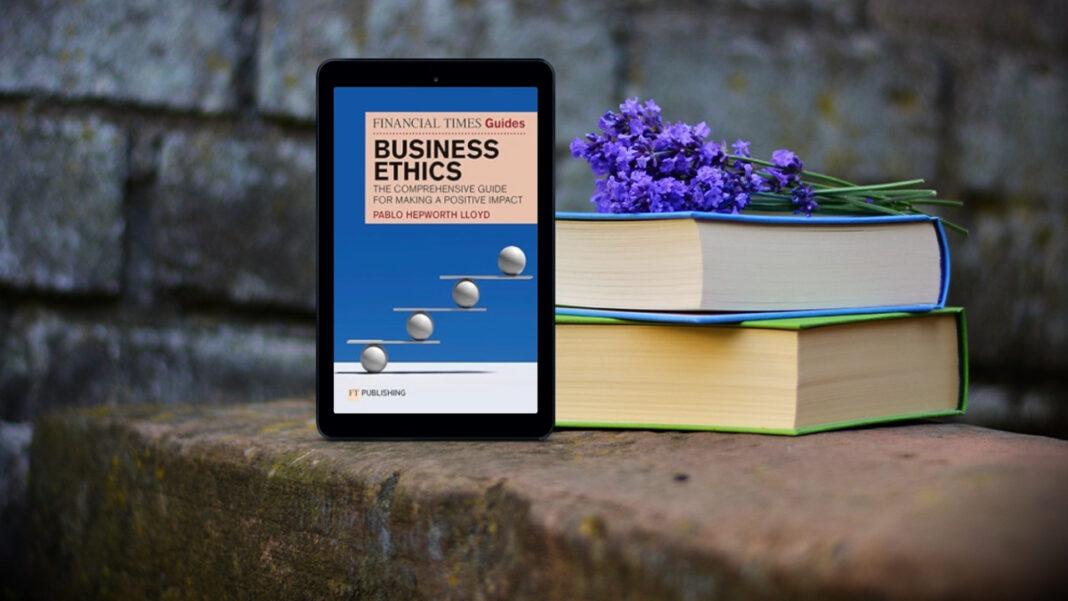
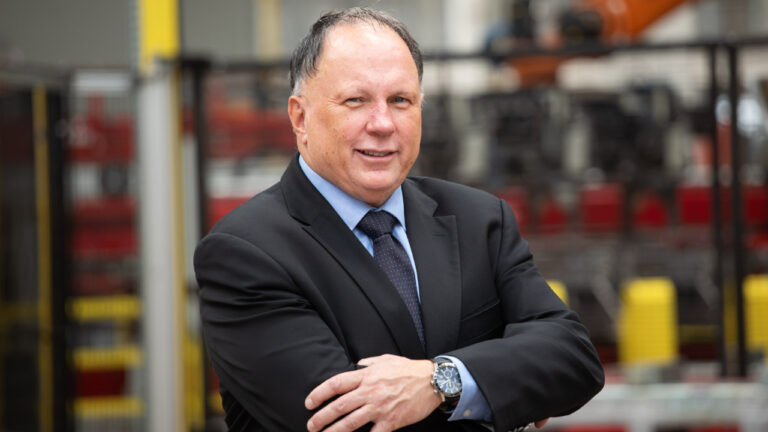
Trust in business has been declining globally, and high-profile failures have only intensified that trend. From the Global Financial Crisis to corporate scandals uncovered in recent years, confidence in institutions once assumed to be stable has been eroded. For Pablo Lloyd OBE—strategic adviser to boards and leaders, former Chair, CEO and CFO, and author of The Financial Times Guide to Business Ethics—this decline is neither surprising nor inevitable.
“Too many businesses have behaved irresponsibly,” he says. “The Global Financial Crisis was an example of an entire sector allowing greed to contaminate its system. Now we have greater transparency, so organisations are being found out.”
But Pablo’s argument goes further than accountability. He insists that ethics is not a compliance burden, a PR exercise, or a risk-avoidance tactic – it is a competitive advantage that improves performance, trust and sustainable success.
Ethics and Performance
Pablo has spent over 20 years advising leaders on performance through leadership development, mentoring and facilitation. He has built his practical expertise as a founder and C-suite executive across private, public and third sectors. His work spearheading educational organisations has helped four million people unlock their potential, and in 2019 he was awarded an OBE for his contribution to young people’s education.
This breadth of experience informs his belief that ethical leadership is both a moral and strategic imperative.
“Success is about profit and principles,” Pablo says. “Without ethical leadership, the organisation is built on sand and always runs the risk of ethical collapse or being ‘outbehaved’ by the competition.”
What Differentiates Ethical Organisations?
Many organisations espouse values. Fewer live them. Pablo identifies two common barriers: lack of awareness and lack of courage. In boards and executive teams alike, people often default to familiar success indicators—revenue, growth targets, market share—without understanding the impact of ethical standards on long-term performance.
“Ethics requires leaders to apply their conscience and show courage in seeing the long-term benefits,” he explains. “Regulation alone cannot fix ethical failures. There are three forces at work—leadership, culture and regulation—and they influence ethical behaviour in that order.”
The Power of Culture
According to Pablo, ethical leadership starts with culture. It is not enough to write values in a handbook. Organisations must create environments where employees feel safe to speak up.
“An ethically healthy culture is the antidote to so many failures,” he says. “People inside the business can see what is really going on, but their employment contract pressures them to stay silent.”
He emphasises that true ethical insight often comes from voices at every level of an organisation, when those voices are heard.
Ethics in the Age of AI
Artificial intelligence presents a new ethical frontier. Pablo observes that AI does not come with an innate moral compass. “It’s like an untrained puppy,” he says. “It needs guidance, structure and accountability by the user.”
He highlights that organisations must deliberately build ethical frameworks around AI deployment; asking questions about purpose, accuracy, risk, accountability and safety before the technology is adopted.
Beyond Frameworks
Frameworks such as ESG, B Corp certification and Fairtrade standards can help organisations formalise ethical practices, but Pablo warns against viewing them as substitutes for ethical leadership.
“The risk is that any framework becomes a tick-box exercise,” he says. “People remember stories, not spreadsheets.”
Responsibility and Power
Business now has enormous economic influence, in some cases larger than countries. With that power comes responsibility, Pablo argues. Ethical leadership should be woven into decision-making, strategy and stakeholder relationships.
“As the French Revolution Committee said,” he notes, “‘A great responsibility is the result of a great power.’ Business cannot sit outside the ethical fabric of society.”
Pablo’s message is pragmatic yet optimistic: ethical leadership is not a distraction from performance – it enhances it. For leaders unsure where to begin, his advice is straightforward: decide what you care about and use your power accordingly.
About Pablo Lloyd
Pablo Lloyd OBE has been advising boards and leaders for over 20 years. He focuses on driving performance, through leadership programmes, advice, mentoring and facilitation.
He has built his practical expertise as a founder, Chair, CEO and CFO across the private, public and third sectors. The educational organisations he has co-founded have enabled four million people to unlock their potential.
Pablo is an advocate for enrichment of young people’s education. He actively contributes as a non-executive director and volunteer and was awarded an OBE in 2019. The Financial Times Guide to Business Ethics is published by Pearson and on sale now.