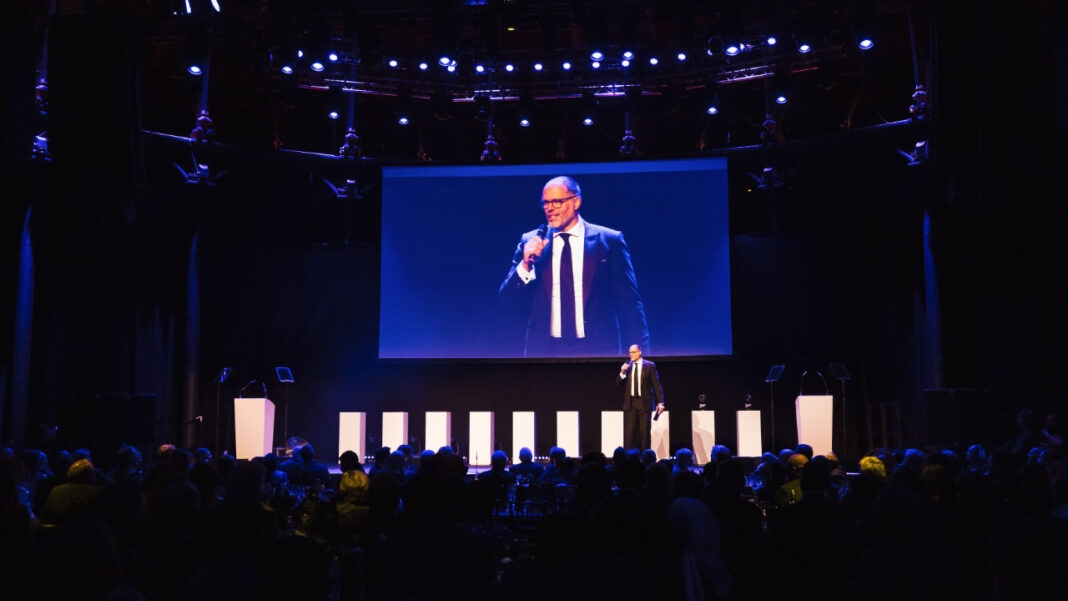
With the release of January 2025’s unemployment figures, conversations about job creation and skills development are taking centre stage. The latest figures from the Office for National Statistics (ONS) highlighted some familiar patterns last December, showing a slowdown in the jobs market alongside high wage growth. The unemployment rate edged up to 4.4%. Job vacancies dropped again last month, and PAYE employment fell for the second month. While some industries are finding their feet, the audio-visual (AV) installation sector is seeing opportunity but facing problems in finding the right people to fill roles.
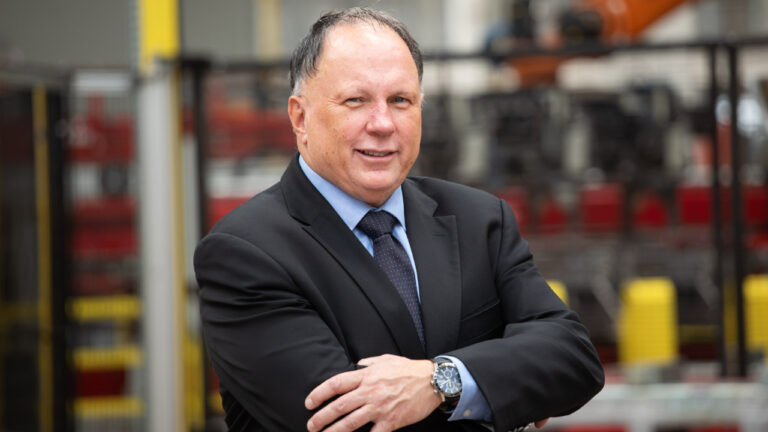
Sam Dimond owns Spotlight Sound, a Chelmsford-based event production and AV company. “We have a very real issue with employment in our sector,” he explains. “From now on, we’re gearing up for a busy awards season, and then the spring and summer events season kicks off. There’s huge demand for event production and AV at the moment, but last year we lost a member of our AV team, and trying to fill that position has been difficult.” Sam’s experience is not an isolated one. Across East Anglia and beyond, AV companies are grappling with a widening skills gap that’s making it harder to meet demand during one of the busiest times of the year.
The AV installation sector has thrived since Covid when demand for AV grew due to online conferences and meetings. From corporate conferences to awards shows and even weddings, high-quality AV production is essential for many events. However, this growth has come with a new challenge: a lack of skilled professionals. “The reality is that finding experienced AV staff in East Anglia is tough,” says Sam. “We need more investment in training in our industry. We don’t have the pipeline of talent coming through; we don’t have the training courses available. So it’s down to businesses to train their staff on health and safety, equipment, and the nuances of AV installations.” Sam says it is not always feasible for small businesses with tight margins. “This can be tough because we don’t have the time or the resources to do this extensively,”
The UK audio-visual sector has been growing by 3.1 per cent a year since 2010, and back in 2018/19, figures showed that the sector made a £1.9 billion a year trade surplus, including a £1.3 billion a year surplus with Europe. Its success has a ripple effect, supporting suppliers, venues, and many other businesses. Ensuring this industry has the skilled workforce it needs isn’t just about filling jobs; it’s about safeguarding a vital part of the economy.
January’s unemployment figures reveal a familiar mismatch between available workers and the skills needed in industries like AV installation. Although unemployment is often discussed in broad terms, regional differences and industry specifics need to be looked at more carefully. For East Anglia’s AV sector, the problem isn’t the lack of people, it’s the lack of trained individuals ready to step into specialised roles. This highlights the need for targeted investment in skills development. If the government wants to see unemployment figures fall and industries flourish, it must look beyond headline statistics and address the root causes of recruitment difficulties in sectors like AV installation.
Businesses like Spotlight Sound are taking matters into their own hands. Sam explains how his company has adapted to the employment challenges. “We’ve created a set of standard operating procedures. These allow less-experienced hires to step into roles previously dominated by highly skilled freelancers. This enables us to tap into a broader employment pool while maintaining the high standards needed in this industry.” By simplifying processes and focusing on practical, in-house training, Spotlight Sound has managed to bridge the skills gap to some extent. However, Sam acknowledges this is only a short-term solution. “The way I see it, these unemployment figures provide a snapshot of the issues facing small business owners. However, policymakers must also consider the actual challenges of industries like ours to effect some kind of change.”
The AV installation sector’s struggles are symptomatic of a larger problem which is the lack of vocational training and support for technical industries. Without a steady pipeline of talent, businesses are forced to bear the brunt of training costs and delays in meeting demand. Sam says that the government can take several steps to support industries like AV. They need to introduce targetted training programmes. That means partnering with local colleges and industry experts to create courses tailored to the AV sector. I also think they need to provide incentives for businesses to take on apprentices. Within our sector, it is important for people to learn on the job.” Sam says that a lot of young people don’t even know these types of jobs exist and have never heard of the audiovisual sector in terms of careers. “We need to raise awareness of the AV jobs available.”
As we move further into 2025, the challenges facing the AV installation sector are clear. However, with the right support, this industry has the potential to thrive and create meaningful employment opportunities across the UK.
Sam Dimond sums it up, “The government needs to invest in the events industry. It’s not just about recognising its financial contribution but also addressing the skills gap with proper training and support. For small businesses like mine, this is key.”
The unemployment figures released this January provide an opportunity to reflect on the changes needed. By aligning skills development with industry needs, we can tackle unemployment and support sectors like AV to reach their full potential. For businesses like Spotlight Sound and many others, this change can’t come soon enough.